Used 2010 Chevrolet Corvette for Sale Near Me
Describe what you’re looking for
BETA
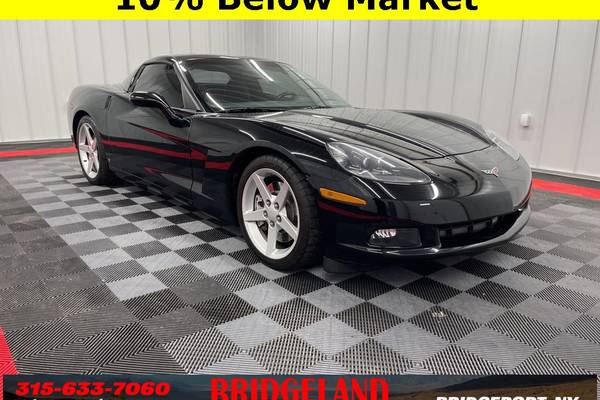
Located in Bridgeport, NY / 416 miles away from Columbus, OH
The Ultimate summer ride! Clean Carfax, AM/FM Stereo w/CD Player/MP3 Playback, Dual Mode Performance Exhaust, Modified Sport Bucket Seats, Sport steer...
Accident Free Vehicle: Yes
Personal Use Only: Yes
History Provider: AutoCheck
Title Details: Clean Title
Salvage Vehicle: No
Frame Damage: No
Theft History: No
Lemon Status: No
Free History Report: No
Features and Specs:
19 Combined MPG (16 City/26 Highway)
Listing Information:
VIN: 1G1YB2DW4A5100218
Stock: B11662B
Certified Pre-Owned: No
Listed since: 04-02-2024
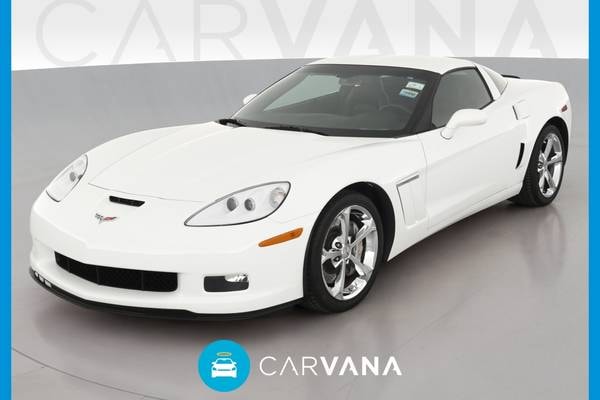
Located in Richmond, VA / 327 miles away from Columbus, OH
At Carvana, we go miles beyond the extra mile. That's why we provide you with a convenient, fast, and hassle-free car buying experience that puts you ...
Accident Free Vehicle: Yes
Personal Use Only: Yes
History Provider: AutoCheck
Title Details: Clean Title
Salvage Vehicle: No
Frame Damage: No
Theft History: No
Lemon Status: No
Free History Report: No
Features and Specs:
19 Combined MPG (16 City/26 Highway)
Listing Information:
VIN: 1G1YU2DW7A5108209
Stock: 2002832992
Certified Pre-Owned: No
Listed since: 03-30-2024

Located in The Woodlands, TX / 983 miles away from Columbus, OH
Preferred Equipment Group Wheels; Grand Sport Chrome Aluminum Audio System With Navigation; AM/FM Stereo With CD Player; MP3 Playback And Dvd-Based To...
Accident Free Vehicle: Yes
Personal Use Only: Yes
History Provider: AutoCheck
Title Details: Clean Title
Salvage Vehicle: No
Frame Damage: No
Theft History: No
Lemon Status: No
Free History Report: No
Features and Specs:
19 Combined MPG (16 City/26 Highway)
Listing Information:
VIN: 1G1YX3DW8A5100830
Stock: A5100830
Certified Pre-Owned: No
Listed since: 05-08-2024
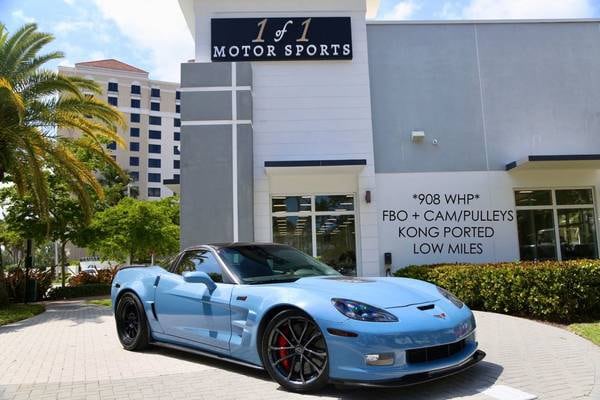
Located in Fort Lauderdale, FL / 976 miles away from Columbus, OH
The 2010 Chevrolet Corvette C6 ZR1 is a supercar that proudly carries the Corvette legacy forward. With its potent naturally aspirated V8 engine, aggr...
Accident Free Vehicle: Yes
Personal Use Only: Yes
History Provider: AutoCheck
Title Details: Clean Title
Salvage Vehicle: No
Frame Damage: No
Theft History: No
Lemon Status: No
Free History Report: No
Features and Specs:
16 Combined MPG (14 City/20 Highway)
Listing Information:
VIN: 1G1YN2DT7A5800151
Stock: 800151
Certified Pre-Owned: No
Listed since: 04-02-2024

Located in Salt Lake City, UT / 1,519 miles away from Columbus, OH
At Carvana, we go miles beyond the extra mile. That's why we provide you with a convenient, fast, and hassle-free car buying experience that puts you ...
Accident Free Vehicle: Yes
Personal Use Only: Yes
History Provider: AutoCheck
Title Details: Clean Title
Salvage Vehicle: No
Frame Damage: No
Theft History: No
Lemon Status: No
Free History Report: No
Features and Specs:
19 Combined MPG (16 City/26 Highway)
Listing Information:
VIN: 1G1YW2DW1A5106997
Stock: 2002896028
Certified Pre-Owned: No
Listed since: 05-02-2024

Located in Richmond, VA / 327 miles away from Columbus, OH
At Carvana, we go miles beyond the extra mile. That's why we provide you with a convenient, fast, and hassle-free car buying experience that puts you ...
Accident Free Vehicle: Yes
Personal Use Only: Yes
History Provider: AutoCheck
Title Details: Clean Title
Salvage Vehicle: No
Frame Damage: No
Theft History: No
Lemon Status: No
Free History Report: No
Features and Specs:
19 Combined MPG (16 City/26 Highway)
Listing Information:
VIN: 1G1YW2DW5A5110230
Stock: 2002864427
Certified Pre-Owned: No
Listed since: 04-17-2024
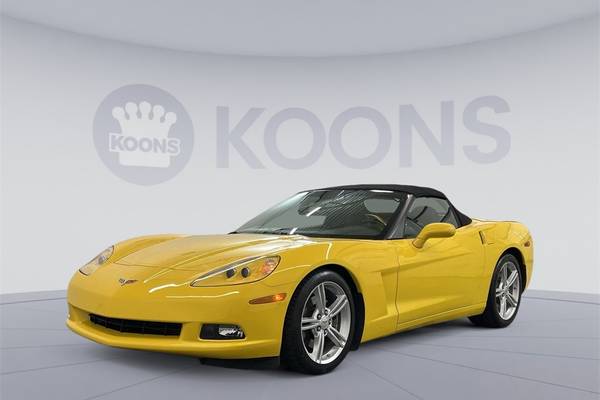
Located in Baltimore, MD / 328 miles away from Columbus, OH
ABS brakes, Alloy wheels, Compass, Electronic Stability Control, Front dual zone A/C, Heated door mirrors, Illuminated entry, Low tire pressure warnin...
Accident Free Vehicle: Yes
Personal Use Only: Yes
History Provider: AutoCheck
Title Details: Clean Title
Salvage Vehicle: No
Frame Damage: No
Theft History: No
Lemon Status: No
Free History Report: No
Features and Specs:
19 Combined MPG (16 City/26 Highway)
Listing Information:
VIN: 1G1YB3DW5A5108513
Stock: 0M16465F
Certified Pre-Owned: No
Listed since: 04-05-2024
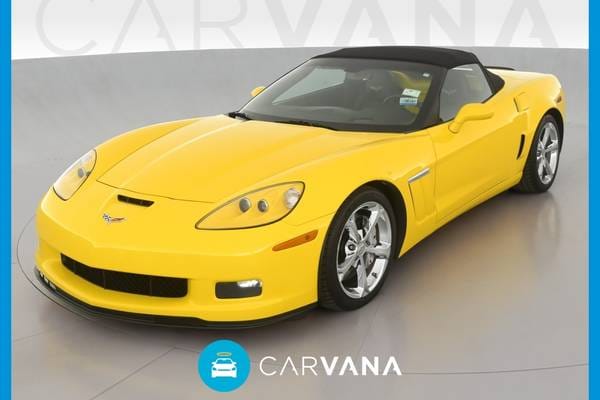
Located in Norwalk, IA / 574 miles away from Columbus, OH
Embrace automotive perfection in our **One Owner**Accident Free**2010**Chevrolet**Corvette Grand Sport**3LT**Convertible** in Velocity Yellow Tintcoat...
Accident Free Vehicle: Yes
Personal Use Only: Yes
History Provider: AutoCheck
Title Details: Clean Title
Salvage Vehicle: No
Frame Damage: No
Theft History: No
Lemon Status: No
Free History Report: No
Features and Specs:
19 Combined MPG (16 City/26 Highway)
Listing Information:
VIN: 1G1YS3DW2A5109649
Stock: D9406A
Certified Pre-Owned: No
Listed since: 03-29-2024

Located in Winston-Salem, NC / 303 miles away from Columbus, OH
Thank you for viewing this Pre-owned 2010 Chevrolet Corvette 2dr Cpe w/2LT offered in Blade Silver Metallic with the Ebony interior! This vehicle prov...
Accident Free Vehicle: Yes
Personal Use Only: Yes
History Provider: AutoCheck
Title Details: Clean Title
Salvage Vehicle: No
Frame Damage: No
Theft History: No
Lemon Status: No
Free History Report: No
Features and Specs:
19 Combined MPG (16 City/26 Highway)
Listing Information:
VIN: 1G1YB2DW4A5109744
Stock: P2778
Certified Pre-Owned: No
Listed since: 03-09-2024
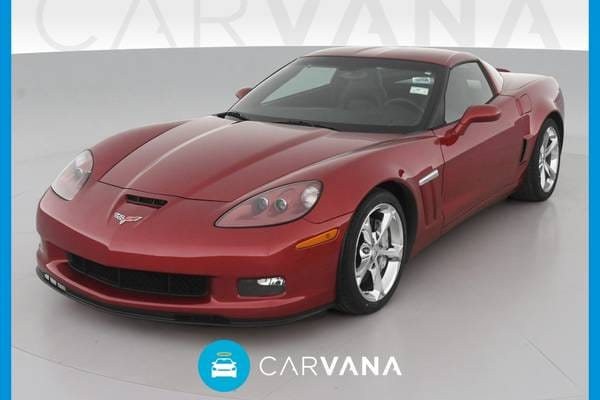
Located in Columbus, OH / 9 miles away from Columbus, OH
At Carvana, we go miles beyond the extra mile. That's why we provide you with a convenient, fast, and hassle-free car buying experience that puts you ...
Accident Free Vehicle: Yes
Personal Use Only: Yes
History Provider: AutoCheck
Title Details: Clean Title
Salvage Vehicle: No
Frame Damage: No
Theft History: No
Lemon Status: No
Free History Report: No
Features and Specs:
19 Combined MPG (16 City/26 Highway)
Listing Information:
VIN: 1G1YP2DW7A5100733
Stock: 2002876252
Certified Pre-Owned: No
Listed since: 04-19-2024

Located in Federal Way, WA / 2,011 miles away from Columbus, OH
West State Motorsport Nationwide Shipping Available! 2010 Chevrolet Corvette Z16 Grand Sport 2dr Coupe w/ 3LT Clean Title with Carfax Available! E...
Accident Free Vehicle: No
Personal Use Only: Yes
History Provider: AutoCheck
Title Details: Clean Title
Salvage Vehicle: No
Frame Damage: No
Theft History: No
Lemon Status: No
Free History Report: No
Features and Specs:
19 Combined MPG (16 City/26 Highway)
Listing Information:
VIN: 1G1YS2DW2A5106471
Stock: WSM812
Certified Pre-Owned: No
Listed since: 04-06-2024

Located in Pacoima, CA / 1,985 miles away from Columbus, OH
2009 Chevrolet Corvette 2dr Conv w/3LT...CAPITAL ONE AUTO FINANCE PREFERRED DEALER...Wholesale Prices Available to Public now! Hurry these amazing gre...
Accident Free Vehicle: Yes
Personal Use Only: Yes
History Provider: AutoCheck
Title Details: Clean Title
Salvage Vehicle: No
Frame Damage: No
Theft History: No
Lemon Status: No
Free History Report: No
Features and Specs:
19 Combined MPG (16 City/26 Highway)
Listing Information:
VIN: 1G1YY36W795107256
Stock: M107256
Certified Pre-Owned: No
Listed since: 03-01-2024
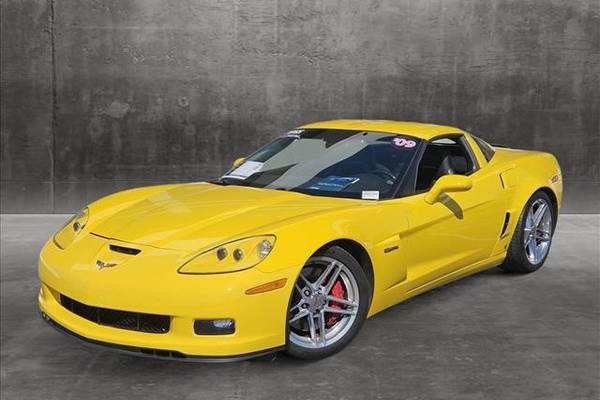
Located in Las Vegas, NV / 1,772 miles away from Columbus, OH
Preferred Equipment Group Wheels; Original Design; Z06 Chrome Aluminum Audio System With Navigation; AM/FM Stereo With CD Player; MP3 Playback And Dvd...
Accident Free Vehicle: No
Personal Use Only: Yes
History Provider: AutoCheck
Title Details: Clean Title
Salvage Vehicle: No
Frame Damage: No
Theft History: No
Lemon Status: No
Free History Report: No
Features and Specs:
18 Combined MPG (15 City/24 Highway)
Listing Information:
VIN: 1G1YZ26E095104147
Stock: 95104147
Certified Pre-Owned: No
Listed since: 03-12-2024
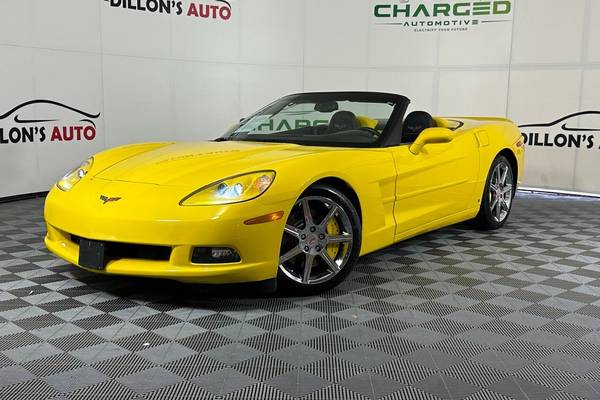
Located in Lincoln, NE / 728 miles away from Columbus, OH
Clean CARFAX. Velocity Yellow Tintcoat 2009 Chevrolet Corvette 2LT RWD 6-Speed Automatic Paddle Shift 6.2L V8 SFI ***NO ACCIDENTS***, ***LOW MILES***...
Accident Free Vehicle: Yes
Personal Use Only: No
History Provider: AutoCheck
Title Details: Clean Title
Salvage Vehicle: No
Frame Damage: No
Theft History: No
Lemon Status: No
Free History Report: No
Features and Specs:
19 Combined MPG (16 City/26 Highway)
Listing Information:
VIN: 1G1YY36W595200051
Stock: SM200051
Certified Pre-Owned: No
Listed since: 03-21-2023

Located in St Peters, MO / 425 miles away from Columbus, OH
<b>Vehicle Details</b> This sleek and powerful 2009 Chevrolet Corvette w/3LT is a true gem in the world of sports cars. With 0 miles on the odometer, ...
Accident Free Vehicle: Yes
Personal Use Only: Yes
History Provider: AutoCheck
Title Details: Clean Title
Salvage Vehicle: No
Frame Damage: No
Theft History: No
Lemon Status: No
Free History Report: No
Features and Specs:
19 Combined MPG (16 City/26 Highway)
Listing Information:
VIN: 1G1YY26W595110005
Stock: A3042
Certified Pre-Owned: No
Listed since: 04-29-2024

Located in Richmond, VA / 327 miles away from Columbus, OH
At Carvana, we go miles beyond the extra mile. That's why we provide you with a convenient, fast, and hassle-free car buying experience that puts you ...
Accident Free Vehicle: Yes
Personal Use Only: Yes
History Provider: AutoCheck
Title Details: Clean Title
Salvage Vehicle: No
Frame Damage: No
Theft History: No
Lemon Status: No
Free History Report: No
Features and Specs:
19 Combined MPG (16 City/26 Highway)
Listing Information:
VIN: 1G1YT3DW4B5104113
Stock: 2002875812
Certified Pre-Owned: No
Listed since: 05-03-2024

Located in Northbrook, IL / 294 miles away from Columbus, OH
The 2011 Chevrolet Corvette Grand Sport stands out with its robust 6.2L V8 SFI engine, making it a thrilling choice for driving enthusiasts. This part...
Accident Free Vehicle: Yes
Personal Use Only: Yes
History Provider: AutoCheck
Title Details: Clean Title
Salvage Vehicle: No
Frame Damage: No
Theft History: No
Lemon Status: No
Free History Report: No
Features and Specs:
19 Combined MPG (16 City/26 Highway)
Listing Information:
VIN: 1G1YW2DW9B5106862
Stock: 63-341A
Certified Pre-Owned: No
Listed since: 04-12-2024

Located in Indianapolis, IN / 177 miles away from Columbus, OH
At Carvana, we go miles beyond the extra mile. That's why we provide you with a convenient, fast, and hassle-free car buying experience that puts you ...
Accident Free Vehicle: Yes
Personal Use Only: Yes
History Provider: AutoCheck
Title Details: Clean Title
Salvage Vehicle: No
Frame Damage: No
Theft History: No
Lemon Status: No
Free History Report: No
Features and Specs:
19 Combined MPG (16 City/26 Highway)
Listing Information:
VIN: 1G1YY36W995114404
Stock: 2002865134
Certified Pre-Owned: No
Listed since: 05-06-2024
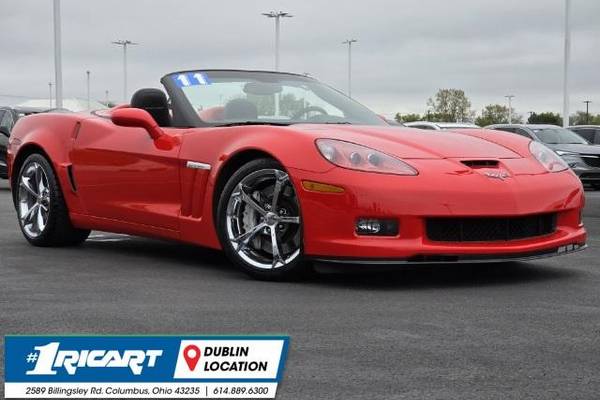
Located in Columbus, OH / 13 miles away from Columbus, OH
Unleash your inner thrill-seeker with the 2011 Chevrolet Corvette Grand Sport. This iconic American sports car is not just a mode of transportationit'...
Accident Free Vehicle: Yes
Personal Use Only: Yes
History Provider: AutoCheck
Title Details: Clean Title
Salvage Vehicle: No
Frame Damage: No
Theft History: No
Lemon Status: No
Free History Report: No
Features and Specs:
19 Combined MPG (16 City/26 Highway)
Listing Information:
VIN: 1G1YR3DW3B5104229
Stock: BTP1398A
Certified Pre-Owned: No
Listed since: 04-19-2024
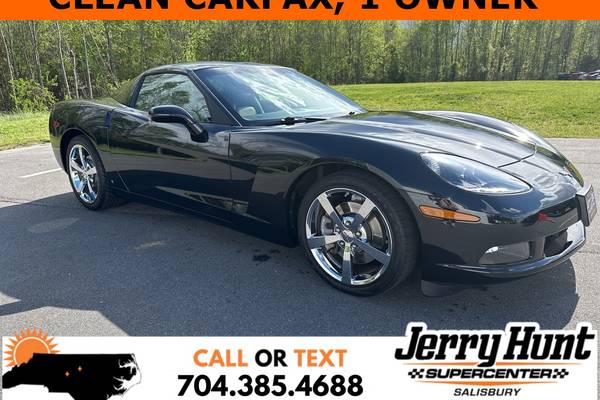
Located in Salisbury, NC / 330 miles away from Columbus, OH
Black 2009 Chevrolet Corvette 2LT RWD 6-Speed Automatic Paddle Shift 6.2L V8 SFI Carfax Accident Free, One Owner, Leather Interior, Bluetooth, MP3, Pu...
Accident Free Vehicle: Yes
Personal Use Only: Yes
History Provider: AutoCheck
Title Details: Clean Title
Salvage Vehicle: No
Frame Damage: No
Theft History: No
Lemon Status: No
Free History Report: No
Features and Specs:
19 Combined MPG (16 City/26 Highway)
Listing Information:
VIN: 1G1YY26W795113682
Stock: SK2316
Certified Pre-Owned: No
Listed since: 04-11-2024

Located in Sanford, FL / 782 miles away from Columbus, OH
Wheels; 5-Spoke; Chrome Aluminum Transmission; 6-Speed Paddle Shift With Automatic Modes Velocity Yellow Tintcoat Leather Seats Keyless Start Chrome W...
Accident Free Vehicle: Yes
Personal Use Only: Yes
History Provider: AutoCheck
Title Details: Clean Title
Salvage Vehicle: No
Frame Damage: No
Theft History: No
Lemon Status: No
Free History Report: No
Features and Specs:
19 Combined MPG (16 City/26 Highway)
Listing Information:
VIN: 1G1YE2DW7B5102389
Stock: B5102389A
Certified Pre-Owned: No
Listed since: 05-06-2024
* Delivery of any kind does not apply to Alaska and Hawaii. Contact the dealer for delivery details, restrictions and costs.