Used 2010 Chevrolet Corvette for Sale Near Me
Describe what you’re looking for
BETA
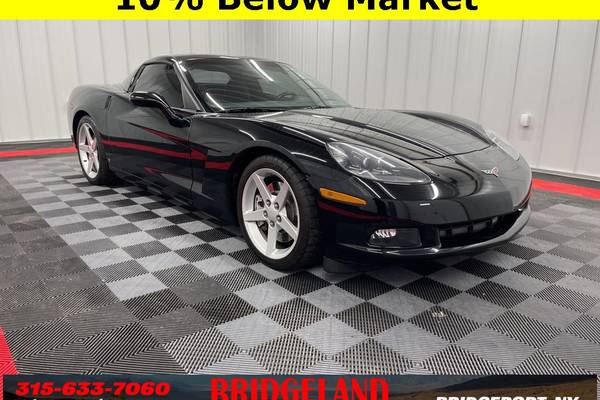
Located in Bridgeport, NY / 416 miles away from Columbus, OH
The Ultimate summer ride! Clean Carfax, AM/FM Stereo w/CD Player/MP3 Playback, Dual Mode Performance Exhaust, Modified Sport Bucket Seats, Sport steer...
Accident Free Vehicle: Yes
Personal Use Only: Yes
History Provider: AutoCheck
Title Details: Clean Title
Salvage Vehicle: No
Frame Damage: No
Theft History: No
Lemon Status: No
Free History Report: No
Features and Specs:
19 Combined MPG (16 City/26 Highway)
Listing Information:
VIN: 1G1YB2DW4A5100218
Stock: B11662B
Certified Pre-Owned: No
Listed since: 04-02-2024

Located in Phoenix, AZ / 1,668 miles away from Columbus, OH
At Carvana, we go miles beyond the extra mile. That's why we provide you with a convenient, fast, and hassle-free car buying experience that puts you ...
Accident Free Vehicle: Yes
Personal Use Only: Yes
History Provider: AutoCheck
Title Details: Clean Title
Salvage Vehicle: No
Frame Damage: No
Theft History: No
Lemon Status: No
Free History Report: No
Features and Specs:
19 Combined MPG (16 City/26 Highway)
Listing Information:
VIN: 1G1YG2DW1A5105233
Stock: 2002400041
Certified Pre-Owned: No
Listed since: 06-09-2023
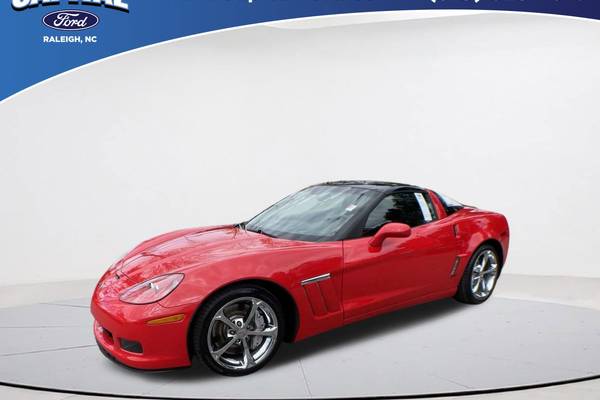
Located in Raleigh, NC / 372 miles away from Columbus, OH
IT'S ALL ABOUT THE DEAL!Capital Ford of Raleigh is proud to provide reliable, honest and affordable service to Raleigh, Cary and Wake Forest. It is wi...
Accident Free Vehicle: Yes
Personal Use Only: Yes
History Provider: AutoCheck
Title Details: Clean Title
Salvage Vehicle: No
Frame Damage: No
Theft History: No
Lemon Status: No
Free History Report: No
Features and Specs:
19 Combined MPG (16 City/26 Highway)
Listing Information:
VIN: 1G1YW2DW5A5105514
Stock: AC58854
Certified Pre-Owned: No
Listed since: 03-14-2024
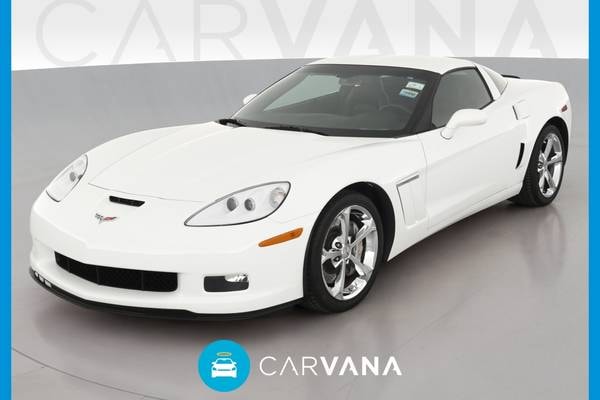
Located in Richmond, VA / 327 miles away from Columbus, OH
At Carvana, we go miles beyond the extra mile. That's why we provide you with a convenient, fast, and hassle-free car buying experience that puts you ...
Accident Free Vehicle: Yes
Personal Use Only: Yes
History Provider: AutoCheck
Title Details: Clean Title
Salvage Vehicle: No
Frame Damage: No
Theft History: No
Lemon Status: No
Free History Report: No
Features and Specs:
19 Combined MPG (16 City/26 Highway)
Listing Information:
VIN: 1G1YU2DW7A5108209
Stock: 2002832992
Certified Pre-Owned: No
Listed since: 03-30-2024

Located in Tampa, FL / 836 miles away from Columbus, OH
At Carvana, we go miles beyond the extra mile. That's why we provide you with a convenient, fast, and hassle-free car buying experience that puts you ...
Accident Free Vehicle: Yes
Personal Use Only: Yes
History Provider: AutoCheck
Title Details: Clean Title
Salvage Vehicle: No
Frame Damage: No
Theft History: No
Lemon Status: No
Free History Report: No
Features and Specs:
19 Combined MPG (16 City/26 Highway)
Listing Information:
VIN: 1G1YE2DW7A5108966
Stock: 2002842157
Certified Pre-Owned: No
Listed since: 04-04-2024

Located in Winston-Salem, NC / 303 miles away from Columbus, OH
Thank you for viewing this Pre-owned 2010 Chevrolet Corvette 2dr Cpe w/2LT offered in Blade Silver Metallic with the Ebony interior! This vehicle prov...
Accident Free Vehicle: Yes
Personal Use Only: Yes
History Provider: AutoCheck
Title Details: Clean Title
Salvage Vehicle: No
Frame Damage: No
Theft History: No
Lemon Status: No
Free History Report: No
Features and Specs:
19 Combined MPG (16 City/26 Highway)
Listing Information:
VIN: 1G1YB2DW4A5109744
Stock: P2778
Certified Pre-Owned: No
Listed since: 03-09-2024

Located in Richmond, VA / 327 miles away from Columbus, OH
At Carvana, we go miles beyond the extra mile. That's why we provide you with a convenient, fast, and hassle-free car buying experience that puts you ...
Accident Free Vehicle: Yes
Personal Use Only: Yes
History Provider: AutoCheck
Title Details: Clean Title
Salvage Vehicle: No
Frame Damage: No
Theft History: No
Lemon Status: No
Free History Report: No
Features and Specs:
19 Combined MPG (16 City/26 Highway)
Listing Information:
VIN: 1G1YW2DW5A5110230
Stock: 2002864427
Certified Pre-Owned: No
Listed since: 04-17-2024
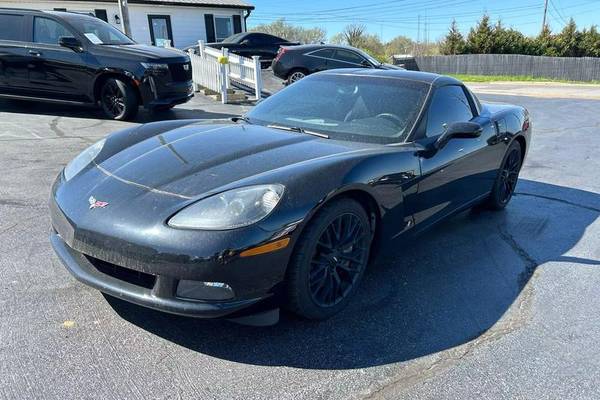
Located in Columbia, TN / 382 miles away from Columbus, OH
Accident Free Vehicle: No
Personal Use Only: Yes
History Provider: AutoCheck
Title Details: Clean Title
Salvage Vehicle: No
Frame Damage: No
Theft History: No
Lemon Status: No
Free History Report: No
Features and Specs:
19 Combined MPG (16 City/26 Highway)
Listing Information:
VIN: 1G1YA2DW4A5101842
Stock: 101842DB
Certified Pre-Owned: No
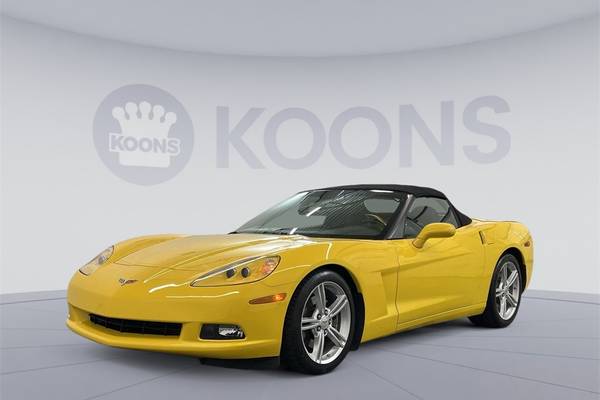
Located in Baltimore, MD / 328 miles away from Columbus, OH
ABS brakes, Alloy wheels, Compass, Electronic Stability Control, Front dual zone A/C, Heated door mirrors, Illuminated entry, Low tire pressure warnin...
Accident Free Vehicle: Yes
Personal Use Only: Yes
History Provider: AutoCheck
Title Details: Clean Title
Salvage Vehicle: No
Frame Damage: No
Theft History: No
Lemon Status: No
Free History Report: No
Features and Specs:
19 Combined MPG (16 City/26 Highway)
Listing Information:
VIN: 1G1YB3DW5A5108513
Stock: 0M16465F
Certified Pre-Owned: No
Listed since: 04-06-2024
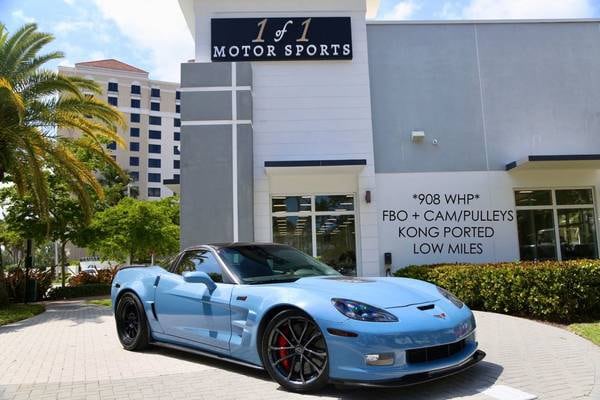
Located in Fort Lauderdale, FL / 976 miles away from Columbus, OH
The 2010 Chevrolet Corvette C6 ZR1 is a supercar that proudly carries the Corvette legacy forward. With its potent naturally aspirated V8 engine, aggr...
Accident Free Vehicle: Yes
Personal Use Only: Yes
History Provider: AutoCheck
Title Details: Clean Title
Salvage Vehicle: No
Frame Damage: No
Theft History: No
Lemon Status: No
Free History Report: No
Features and Specs:
16 Combined MPG (14 City/20 Highway)
Listing Information:
VIN: 1G1YN2DT7A5800151
Stock: 800151
Certified Pre-Owned: No
Listed since: 04-02-2024

Located in Albuquerque, NM / 1,337 miles away from Columbus, OH
Preferred Equipment Group Magnetic Selective Ride Control Audio System With Navigation; AM/FM Stereo With CD Player; MP3 Playback And Dvd-Based Touch-...
Accident Free Vehicle: Yes
Personal Use Only: No
History Provider: AutoCheck
Title Details: Clean Title
Salvage Vehicle: No
Frame Damage: No
Theft History: No
Lemon Status: No
Free History Report: No
Features and Specs:
19 Combined MPG (16 City/26 Highway)
Listing Information:
VIN: 1G1YG3DW0B5108504
Stock: B5108504
Certified Pre-Owned: No
Listed since: 02-27-2024
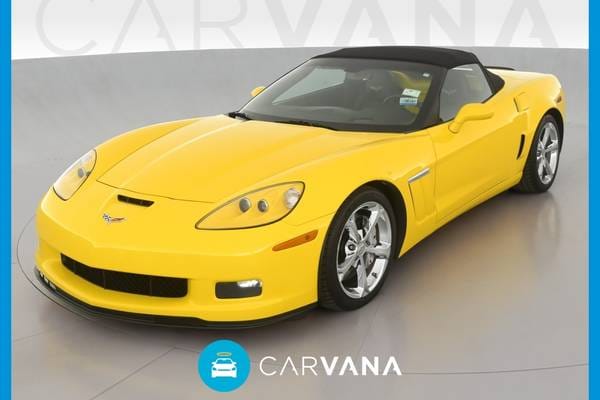
Located in Norwalk, IA / 574 miles away from Columbus, OH
Embrace automotive perfection in our **One Owner**Accident Free**2010**Chevrolet**Corvette Grand Sport**3LT**Convertible** in Velocity Yellow Tintcoat...
Accident Free Vehicle: Yes
Personal Use Only: Yes
History Provider: AutoCheck
Title Details: Clean Title
Salvage Vehicle: No
Frame Damage: No
Theft History: No
Lemon Status: No
Free History Report: No
Features and Specs:
19 Combined MPG (16 City/26 Highway)
Listing Information:
VIN: 1G1YS3DW2A5109649
Stock: D9406A
Certified Pre-Owned: No
Listed since: 03-30-2024
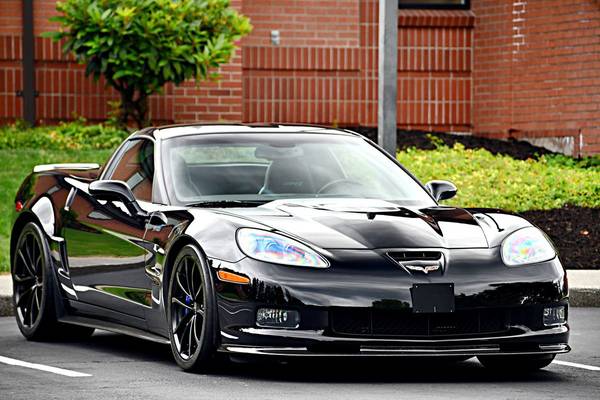
Located in Lynnwood, WA / 2,011 miles away from Columbus, OH
Check out our 2010 Chevrolet Corvette ZR1 3ZR Coupe featured in Black! Powered by a 6.2 Liter V8 producing 638hp and connected to a 6 Speed Manual tra...
Accident Free Vehicle: Yes
Personal Use Only: Yes
History Provider: AutoCheck
Title Details: Clean Title
Salvage Vehicle: No
Frame Damage: No
Theft History: No
Lemon Status: No
Free History Report: No
Features and Specs:
16 Combined MPG (14 City/20 Highway)
Listing Information:
VIN: 1G1YN2DT8A5800255
Stock: FN800255
Certified Pre-Owned: No
Listed since: 08-14-2023

Located in Fruitland, ID / 1,757 miles away from Columbus, OH
Clean CARFAX. ALL VEHICLES HAVE OIL CHANGE, INSPECTION AND COMPLETE AUTO DETAIL, ABS brakes, Alloy wheels, Compass, Electronic Stability Control, Fron...
Accident Free Vehicle: Yes
Personal Use Only: Yes
History Provider: AutoCheck
Title Details: Clean Title
Salvage Vehicle: No
Frame Damage: No
Theft History: No
Lemon Status: No
Free History Report: No
Features and Specs:
19 Combined MPG (16 City/26 Highway)
Listing Information:
VIN: 1G1YY36W295104183
Stock: 24104183
Certified Pre-Owned: No
Listed since: 03-21-2024

Located in Tampa, FL / 836 miles away from Columbus, OH
At Carvana, we go miles beyond the extra mile. That's why we provide you with a convenient, fast, and hassle-free car buying experience that puts you ...
Accident Free Vehicle: Yes
Personal Use Only: Yes
History Provider: AutoCheck
Title Details: Clean Title
Salvage Vehicle: No
Frame Damage: No
Theft History: No
Lemon Status: No
Free History Report: No
Features and Specs:
19 Combined MPG (16 City/26 Highway)
Listing Information:
VIN: 1G1YG2DW1A5102669
Stock: 2002727402
Certified Pre-Owned: No
Listed since: 02-06-2024

Located in Federal Way, WA / 2,011 miles away from Columbus, OH
West State Motorsport Nationwide Shipping Available! 2010 Chevrolet Corvette Z16 Grand Sport 2dr Coupe w/ 3LT Clean Title with Carfax Available! E...
Accident Free Vehicle: No
Personal Use Only: Yes
History Provider: AutoCheck
Title Details: Clean Title
Salvage Vehicle: No
Frame Damage: No
Theft History: No
Lemon Status: No
Free History Report: No
Features and Specs:
19 Combined MPG (16 City/26 Highway)
Listing Information:
VIN: 1G1YS2DW2A5106471
Stock: WSM812
Certified Pre-Owned: No
Listed since: 04-06-2024
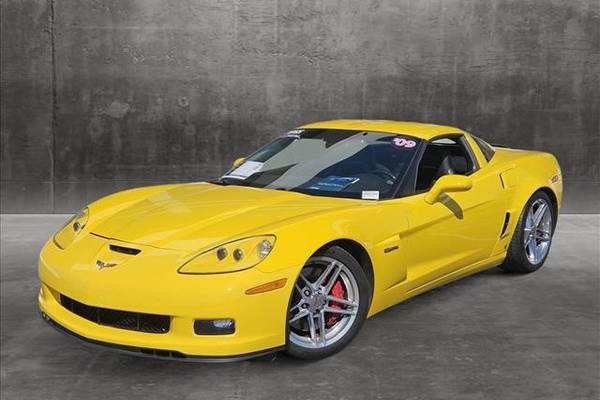
Located in Las Vegas, NV / 1,772 miles away from Columbus, OH
Preferred Equipment Group Wheels; Original Design; Z06 Chrome Aluminum Audio System With Navigation; AM/FM Stereo With CD Player; MP3 Playback And Dvd...
Accident Free Vehicle: No
Personal Use Only: Yes
History Provider: AutoCheck
Title Details: Clean Title
Salvage Vehicle: No
Frame Damage: No
Theft History: No
Lemon Status: No
Free History Report: No
Features and Specs:
18 Combined MPG (15 City/24 Highway)
Listing Information:
VIN: 1G1YZ26E095104147
Stock: 95104147
Certified Pre-Owned: No
Listed since: 03-12-2024
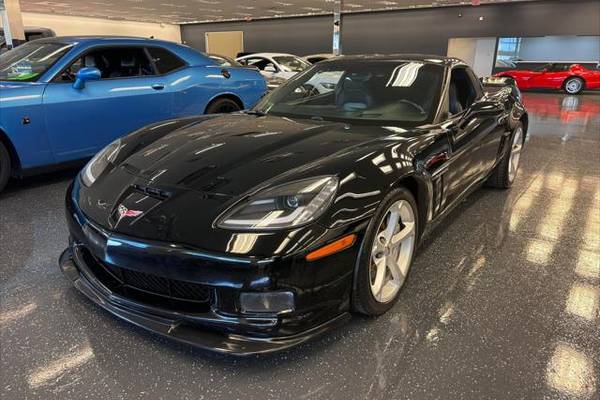
Located in Mesa, AZ / 1,656 miles away from Columbus, OH
TRADES WELCOME! THE BEST FINANCING AVAILABLE CREDIT UNION DIRECT LENDING MAJOR CREDIT CARDS ACCEPTED
Accident Free Vehicle: No
Personal Use Only: Yes
History Provider: AutoCheck
Title Details: Clean Title
Salvage Vehicle: No
Frame Damage: No
Theft History: No
Lemon Status: No
Free History Report: No
Features and Specs:
19 Combined MPG (16 City/26 Highway)
Listing Information:
VIN: 1G1YW2DW6B5105619
Stock: 105619
Certified Pre-Owned: No
Listed since: 02-09-2024
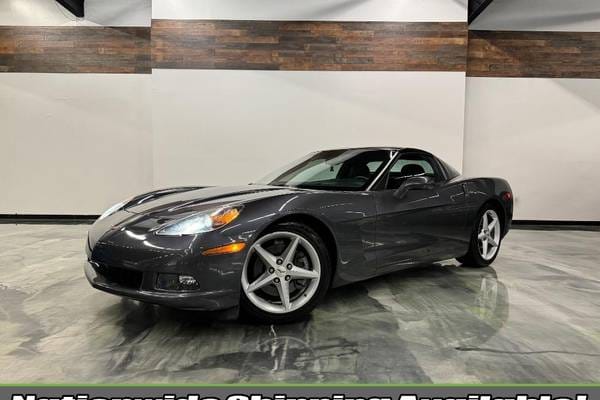
Located in Pembroke Pines, FL / 981 miles away from Columbus, OH
Preferred Equipment Group Audio System With Navigation; AM/FM Stereo With CD Player; MP3 Playback And Dvd-Based Touch-Screen Navigation Roof Package T...
Accident Free Vehicle: Yes
Personal Use Only: Yes
History Provider: AutoCheck
Title Details: Clean Title
Salvage Vehicle: No
Frame Damage: No
Theft History: No
Lemon Status: No
Free History Report: No
Features and Specs:
19 Combined MPG (16 City/26 Highway)
Listing Information:
VIN: 1G1YG2DW5B5109674
Stock: B5109674
Certified Pre-Owned: No
Listed since: 04-17-2024

Located in Pacoima, CA / 1,985 miles away from Columbus, OH
2009 Chevrolet Corvette 2dr Conv w/3LT...CAPITAL ONE AUTO FINANCE PREFERRED DEALER...Wholesale Prices Available to Public now! Hurry these amazing gre...
Accident Free Vehicle: Yes
Personal Use Only: Yes
History Provider: AutoCheck
Title Details: Clean Title
Salvage Vehicle: No
Frame Damage: No
Theft History: No
Lemon Status: No
Free History Report: No
Features and Specs:
19 Combined MPG (16 City/26 Highway)
Listing Information:
VIN: 1G1YY36W795107256
Stock: M107256
Certified Pre-Owned: No
Listed since: 03-01-2024
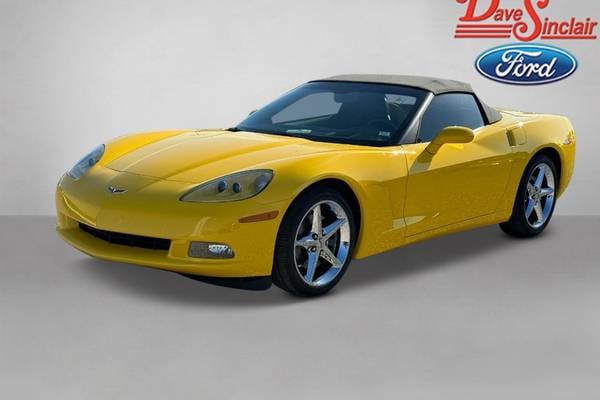
Located in Saint Louis, MO / 413 miles away from Columbus, OH
Our Ultra Low Mile 2011 Chevrolet Corvette 3LT Convertible in Velocity Yellow. Powered by a 6.2 Liter V8 producing 430hp tied to a race-inspired 6 Spe...
Accident Free Vehicle: No
Personal Use Only: Yes
History Provider: AutoCheck
Title Details: Clean Title
Salvage Vehicle: No
Frame Damage: No
Theft History: No
Lemon Status: No
Free History Report: No
Features and Specs:
19 Combined MPG (16 City/26 Highway)
Listing Information:
VIN: 1G1YG3DW2B5107323
Stock: P24025600
Certified Pre-Owned: No
* Delivery of any kind does not apply to Alaska and Hawaii. Contact the dealer for delivery details, restrictions and costs.