Used 2010 Buick LaCrosse for Sale Near Me
Describe what you’re looking for
BETA
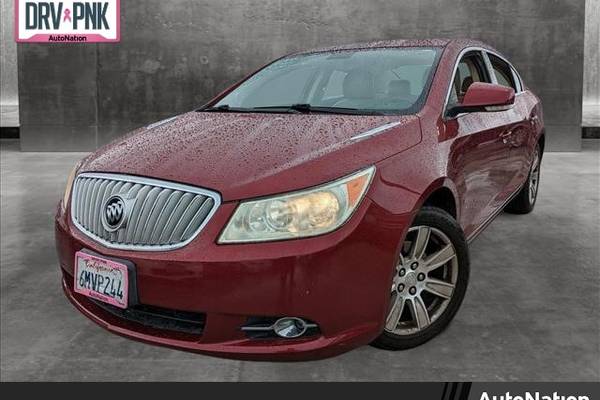
Located in San Jose, CA / 2,102 miles away from Columbus, OH
Leather Seats Air Bags; Dual-Stage Frontal And Side-Impact; Driver And Right-Front Passenger; Head Curtain Side-Impact; Front And Rear Outboard Seatin...
Accident Free Vehicle: Yes
Personal Use Only: Yes
History Provider: AutoCheck
Title Details: Clean Title
Salvage Vehicle: No
Frame Damage: No
Theft History: No
Lemon Status: No
Free History Report: No
Features and Specs:
20 Combined MPG (17 City/26 Highway)
Listing Information:
VIN: 1G4GC5GG3AF283204
Stock: AF283204
Certified Pre-Owned: No
Listed since: 04-03-2024
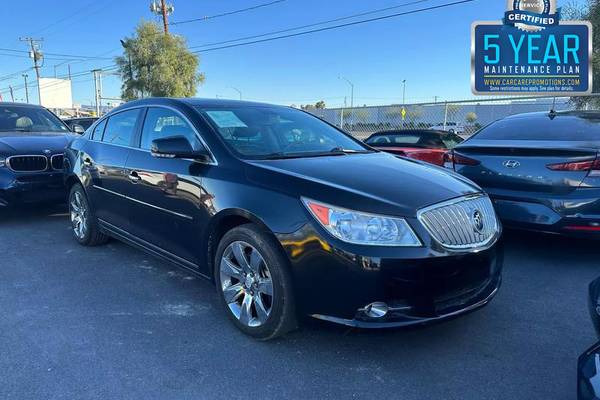
Located in Las Vegas, NV / 1,764 miles away from Columbus, OH
Accident Free Vehicle: Yes
Personal Use Only: Yes
History Provider: AutoCheck
Title Details: Clean Title
Salvage Vehicle: No
Frame Damage: No
Theft History: No
Lemon Status: No
Free History Report: No
Features and Specs:
20 Combined MPG (17 City/26 Highway)
Listing Information:
VIN: 1G4GC5GG4AF196170
Stock: 2263
Certified Pre-Owned: No
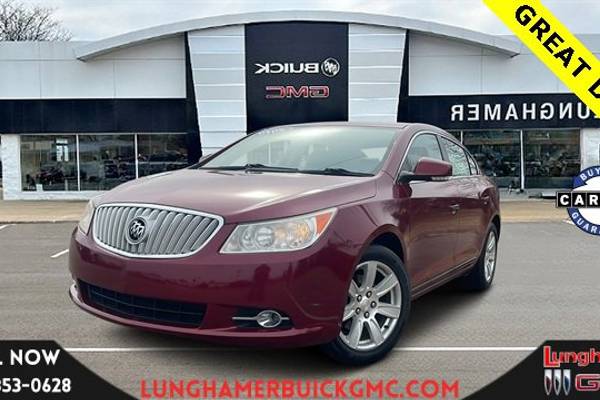
Located in Waterford, MI / 183 miles away from Columbus, OH
2010 Buick LaCrosse CXL GOOD BRAKES, RECENT TRADE IN, LaCrosse CXL, 4D Sedan, 3.0L V6 SIDI DOHC VVT, 6-Speed Automatic Electronic with Overdrive, FWD,...
Accident Free Vehicle: Yes
Personal Use Only: Yes
History Provider: AutoCheck
Title Details: Clean Title
Salvage Vehicle: No
Frame Damage: No
Theft History: No
Lemon Status: No
Free History Report: No
Features and Specs:
20 Combined MPG (17 City/26 Highway)
Listing Information:
VIN: 1G4GC5EG1AF277372
Stock: 456407
Certified Pre-Owned: No
Listed since: 03-05-2024

Located in Memphis, TN / 515 miles away from Columbus, OH
The following items have been reconditioned on this vehicle: new suspension parts! Comfort And Convenience Package #1 Air Bags; Dual-Stage Frontal ...
Accident Free Vehicle: Yes
Personal Use Only: No
History Provider: AutoCheck
Title Details: Clean Title
Salvage Vehicle: No
Frame Damage: No
Theft History: No
Lemon Status: No
Free History Report: No
Features and Specs:
20 Combined MPG (17 City/26 Highway)
Listing Information:
VIN: 1G4GB5GG8AF311517
Stock: AF311517
Certified Pre-Owned: No
Listed since: 04-08-2024
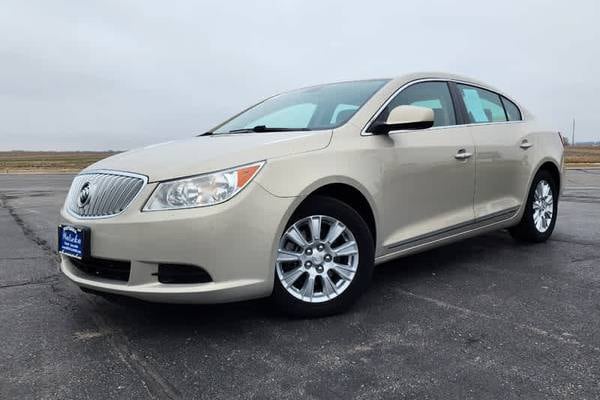
Located in Watseka, IL / 259 miles away from Columbus, OH
Onboard Communications System, Aluminum Wheels, AUDIO SYSTEM, AM/FM/XM STEREO, SINGLE... COMFORT AND CONVENIENCE PACKAGE #1 CLICK NOW! KEY FEATURES I...
Accident Free Vehicle: Yes
Personal Use Only: Yes
History Provider: AutoCheck
Title Details: Clean Title
Salvage Vehicle: No
Frame Damage: No
Theft History: No
Lemon Status: No
Free History Report: No
Features and Specs:
20 Combined MPG (17 City/26 Highway)
Listing Information:
VIN: 1G4GB5EG0AF185785
Stock: W5785A
Certified Pre-Owned: No
Listed since: 03-01-2024
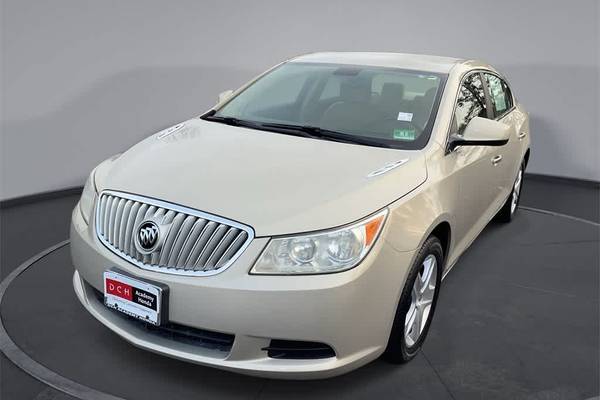
Located in Old Bridge, NJ / 450 miles away from Columbus, OH
CarFax 1-Owner,Low Mileage,High Demand,Brake Assist,Satellite Radio,4-Wheel Disc Brakes,6-Speed A/T,A/C,A/T,ABS,Adjustable Steering Wheel,AM/FM Stereo...
Accident Free Vehicle: Yes
Personal Use Only: Yes
History Provider: AutoCheck
Title Details: Clean Title
Salvage Vehicle: No
Frame Damage: No
Theft History: No
Lemon Status: No
Free History Report: No
Features and Specs:
20 Combined MPG (17 City/26 Highway)
Listing Information:
VIN: 1G4GB5EG3AF302694
Stock: AHK1186
Certified Pre-Owned: No

Located in Pikeville, KY / 174 miles away from Columbus, OH
**TAKE THE SHORT DRIVE TO SATISFACTION**, 3.0L V6 SIDI DOHC VVT. 17/26 City/Highway MPG FWD **TAKE THE SHORT DRIVE TO SATISFACTION**Tim Short Pikevil...
Accident Free Vehicle: Yes
Personal Use Only: Yes
History Provider: AutoCheck
Title Details: Clean Title
Salvage Vehicle: No
Frame Damage: No
Theft History: No
Lemon Status: No
Free History Report: No
Features and Specs:
20 Combined MPG (17 City/26 Highway)
Listing Information:
VIN: 1G4GC5EG1AF325422
Stock: C3340A
Certified Pre-Owned: No
Listed since: 04-13-2024

Located in Portland, OR / 2,038 miles away from Columbus, OH
CarFax No Accidents Reported,High Demand,Bluetooth,Brake Assist,Heated Seats,Leather Seats,Remote Start,Satellite Radio,4-Wheel Disc Brakes,6-Speed A/...
AutoCheck Vehicle History Summary Unavailable.
Features and Specs:
20 Combined MPG (17 City/26 Highway)
Listing Information:
VIN: 1G4GC5EG8AF193940
Stock: AF193940
Certified Pre-Owned: No

Located in Richmond, VA / 327 miles away from Columbus, OH
At Carvana, we go miles beyond the extra mile. That's why we provide you with a convenient, fast, and hassle-free car buying experience that puts you ...
Accident Free Vehicle: Yes
Personal Use Only: Yes
History Provider: AutoCheck
Title Details: Clean Title
Salvage Vehicle: No
Frame Damage: No
Theft History: No
Lemon Status: No
Free History Report: No
Features and Specs:
20 Combined MPG (17 City/26 Highway)
Listing Information:
VIN: 1G4GC5EG9AF234589
Stock: 2002805412
Certified Pre-Owned: No
Listed since: 03-16-2024

Located in Littleton, CO / 1,172 miles away from Columbus, OH
Wheels; 18" (45.7 Cm) Chrome-Plated Comfort And Convenience Package #2 Leather Seats Side Blind Zone Alert Air Bags; Dual-Stage Frontal And Side-Impac...
Accident Free Vehicle: No
Personal Use Only: Yes
History Provider: AutoCheck
Title Details: Clean Title
Salvage Vehicle: No
Frame Damage: No
Theft History: No
Lemon Status: No
Free History Report: No
Features and Specs:
20 Combined MPG (17 City/26 Highway)
Listing Information:
VIN: 1G4GC5GG8AF281853
Stock: AF281853
Certified Pre-Owned: No
Listed since: 04-04-2024

Located in Woodbridge, VA / 314 miles away from Columbus, OH
KEY FEATURES AND OPTIONS Comes equipped with: Air Conditioning, Front Heated Seats. This Buick LaCrosse also includes Clock, Climate Control, Tachomet...
Accident Free Vehicle: No
Personal Use Only: No
History Provider: AutoCheck
Title Details: Clean Title
Salvage Vehicle: No
Frame Damage: No
Theft History: No
Lemon Status: No
Free History Report: No
Features and Specs:
21 Combined MPG (17 City/28 Highway)
Listing Information:
VIN: 2G4WD582X91125876
Stock: 138493
Certified Pre-Owned: No
Listed since: 03-06-2024

Located in Columbus, OH / 16 miles away from Columbus, OH
Auto Boutique is proud to offer excellent, pre-owned vehicles. With our no haggle pricing policy you can be sure you're getting the best deal possible...
Accident Free Vehicle: Yes
Personal Use Only: Yes
History Provider: AutoCheck
Title Details: Clean Title
Salvage Vehicle: No
Frame Damage: No
Theft History: No
Lemon Status: No
Free History Report: No
Features and Specs:
21 Combined MPG (17 City/28 Highway)
Listing Information:
VIN: 2G4WC582391219259
Stock: X5447
Certified Pre-Owned: No
Listed since: 03-18-2024

Located in Reno, NV / 1,947 miles away from Columbus, OH
Meet our One Owner, Low Mile 2009 Buick LaCrosse CX Sedan shown in a White Opal finish! Powered by a 3.8 Liter V6 that offers 200hp paired with a 4 Sp...
Accident Free Vehicle: Yes
Personal Use Only: Yes
History Provider: AutoCheck
Title Details: Clean Title
Salvage Vehicle: No
Frame Damage: No
Theft History: No
Lemon Status: No
Free History Report: No
Features and Specs:
21 Combined MPG (17 City/28 Highway)
Listing Information:
VIN: 2G4WC582891161956
Stock: 2161956
Certified Pre-Owned: No
Listed since: 04-11-2024

Located in Cary, NC / 369 miles away from Columbus, OH
18" Chrome-Plated Wheels, 18" Painted Machine-Faced Alloy Wheels, 4-Wheel Disc Brakes, 7 Speakers, ABS brakes, Air Conditioning, Alloy wheels, AM/FM r...
Accident Free Vehicle: Yes
Personal Use Only: No
History Provider: AutoCheck
Title Details: Clean Title
Salvage Vehicle: No
Frame Damage: No
Theft History: No
Lemon Status: No
Free History Report: No
Features and Specs:
23 Combined MPG (19 City/30 Highway)
Listing Information:
VIN: 1G4GC5ECXBF279040
Stock: 53546
Certified Pre-Owned: No
Listed since: 03-03-2024

Located in Roanoke, VA / 244 miles away from Columbus, OH
Turn heads as you cruise by in this stunning Red 2011 Buick LaCrosse. This stylish sedan comes with a powerful 2.4L 4-cylinder engine that delivers a ...
Accident Free Vehicle: Yes
Personal Use Only: No
History Provider: AutoCheck
Title Details: Clean Title
Salvage Vehicle: No
Frame Damage: No
Theft History: No
Lemon Status: No
Free History Report: No
Features and Specs:
23 Combined MPG (19 City/30 Highway)
Listing Information:
VIN: 1G4GA5EC6BF262791
Stock: P270
Certified Pre-Owned: No

Located in Ann Arbor, MI / 163 miles away from Columbus, OH
Looking for a nice, cheap car? Look no further than this Gold Mist Metallic 2011 Buick LaCrosse CXL FWD! This car comes with a variety of luxurious fe...
Accident Free Vehicle: Yes
Personal Use Only: Yes
History Provider: AutoCheck
Title Details: Clean Title
Salvage Vehicle: No
Frame Damage: No
Theft History: No
Lemon Status: No
Free History Report: No
Features and Specs:
Listing Information:
VIN: 1G4GC5ED3BF212546
Stock: 78254
Certified Pre-Owned: No
Listed since: 03-26-2024

Located in Mentor, OH / 138 miles away from Columbus, OH
2009BuickLaCrosseCXL107,857The exterior color is White Opal.The interior color is Titanium.Well Equipped with WIFI Hotspot, Keyless Entry, Heated Seat...
Accident Free Vehicle: Yes
Personal Use Only: Yes
History Provider: AutoCheck
Title Details: Clean Title
Salvage Vehicle: No
Frame Damage: No
Theft History: No
Lemon Status: No
Free History Report: No
Features and Specs:
21 Combined MPG (17 City/28 Highway)
Listing Information:
VIN: 2G4WD582891227032
Stock: CM7786A
Certified Pre-Owned: No
Listed since: 03-21-2024
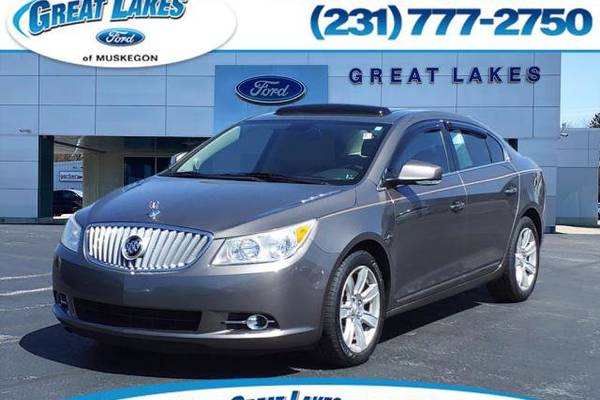
Located in Muskegon, MI / 279 miles away from Columbus, OH
Get excited about the 2011 Buick LaCrosse! An awesome price considering its low mileage! Top features include power front seats, leather upholstery, a...
Accident Free Vehicle: Yes
Personal Use Only: Yes
History Provider: AutoCheck
Title Details: Clean Title
Salvage Vehicle: No
Frame Damage: No
Theft History: No
Lemon Status: No
Free History Report: No
Features and Specs:
Listing Information:
VIN: 1G4GC5ED0BF291304
Stock: P7843
Certified Pre-Owned: No
Listed since: 04-03-2024

Located in Elyria, OH / 100 miles away from Columbus, OH
ADDED COMFORT AND CONVENIENCE OF POWER SEAT! 4-Wheel Disc Brakes|ABS|Adjustable Steering Wheel|Air Conditioning|AM/FM Stereo|Automatic Headlights|Auxi...
Accident Free Vehicle: Yes
Personal Use Only: Yes
History Provider: AutoCheck
Title Details: Clean Title
Salvage Vehicle: No
Frame Damage: No
Theft History: No
Lemon Status: No
Free History Report: No
Features and Specs:
23 Combined MPG (19 City/30 Highway)
Listing Information:
VIN: 1G4GA5EC8BF304698
Stock: B8295510
Certified Pre-Owned: No
Listed since: 04-01-2024
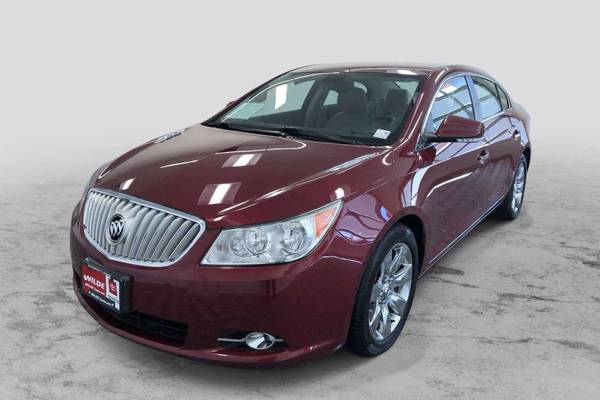
Located in West Allis, WI / 337 miles away from Columbus, OH
CarFax No Accidents Reported,Bluetooth,Brake Assist,Heated Seats,Leather Seats,Remote Start,Satellite Radio,4-Wheel Disc Brakes,6-Speed A/T,A/C,A/T,AB...
Accident Free Vehicle: Yes
Personal Use Only: Yes
History Provider: AutoCheck
Title Details: Clean Title
Salvage Vehicle: No
Frame Damage: No
Theft History: No
Lemon Status: No
Free History Report: No
Features and Specs:
Listing Information:
VIN: 1G4GC5ED7BF297794
Stock: K90278
Certified Pre-Owned: No

Located in Cincinnati, OH / 103 miles away from Columbus, OH
Introducing the 2011 Buick LaCrosse CXS. This sedan is powered by a 3.6L V6 engine, delivering 280 horsepower and 259ft. lbs. of torque. The LaCrosse ...
Accident Free Vehicle: No
Personal Use Only: Yes
History Provider: AutoCheck
Title Details: Clean Title
Salvage Vehicle: No
Frame Damage: No
Theft History: No
Lemon Status: No
Free History Report: No
Features and Specs:
20 Combined MPG (17 City/27 Highway)
Listing Information:
VIN: 1G4GE5ED2BF398851
Stock: 1228
Certified Pre-Owned: No
* Delivery of any kind does not apply to Alaska and Hawaii. Contact the dealer for delivery details, restrictions and costs.