Used 2011 Mazda 2 for Sale Near Me
Describe what you’re looking for
BETA

Located in Wappingers Falls, NY / 480 miles away from Columbus, OH
CarFax No Accidents Reported,Low Mileage,High Demand,Rare Find,Steel Wheels,Power Door Locks,Floor Mats,Front Wheel Drive,Gasoline Fuel,CD Player,ABS,...
Accident Free Vehicle: Yes
Personal Use Only: Yes
History Provider: AutoCheck
Title Details: Clean Title
Salvage Vehicle: No
Frame Damage: No
Theft History: No
Lemon Status: No
Free History Report: No
Features and Specs:
29 Combined MPG (27 City/33 Highway)
Listing Information:
VIN: JM1DE1HZ7B0129268
Stock: 614707A
Certified Pre-Owned: No

Located in Beaverton, OR / 2,040 miles away from Columbus, OH
Recent Arrival! CARFAX One-Owner. Clean CARFAX. BUY ONLINE-TEXT-EMAIL-CHAT-PHONE AND WE WILL DELIVER YOUR NEXT VEHICLE TO YOUR DOOR!. Sport Odometer i...
Accident Free Vehicle: Yes
Personal Use Only: Yes
History Provider: AutoCheck
Title Details: Clean Title
Salvage Vehicle: No
Frame Damage: No
Theft History: No
Lemon Status: No
Free History Report: No
Features and Specs:
29 Combined MPG (27 City/33 Highway)
Listing Information:
VIN: JM1DE1HZ4B0125923
Stock: EM125923
Certified Pre-Owned: No
Listed since: 04-30-2024

Located in Auburn, WA / 2,007 miles away from Columbus, OH
Accident Free Vehicle: Yes
Personal Use Only: Yes
History Provider: AutoCheck
Title Details: Clean Title
Salvage Vehicle: No
Frame Damage: No
Theft History: No
Lemon Status: No
Free History Report: No
Features and Specs:
29 Combined MPG (27 City/33 Highway)
Listing Information:
VIN: JM1DE1HZ0B0125787
Stock: 6725
Certified Pre-Owned: No
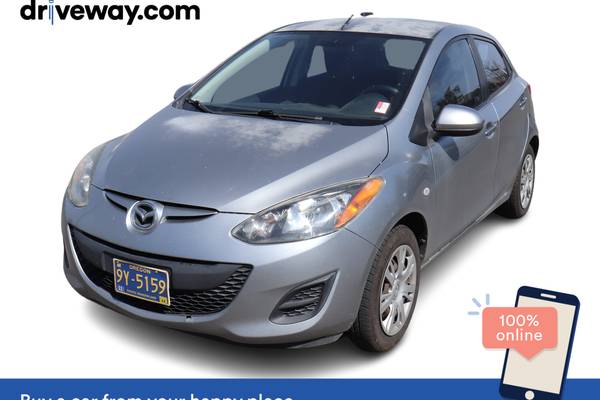
Located in Springfield, OR / 2,058 miles away from Columbus, OH
CarFax No Accidents Reported,High Demand,Rare Find,Steel Wheels,Power Door Locks,Floor Mats,Front Wheel Drive,Gasoline Fuel,CD Player,ABS,Cloth Seats,...
Accident Free Vehicle: Yes
Personal Use Only: Yes
History Provider: AutoCheck
Title Details: Clean Title
Salvage Vehicle: No
Frame Damage: No
Theft History: No
Lemon Status: No
Free History Report: No
Features and Specs:
29 Combined MPG (27 City/33 Highway)
Listing Information:
VIN: JM1DE1HY1B0106009
Stock: V106009
Certified Pre-Owned: No
Located in Honolulu, HI / 4,509 miles away from Columbus, OH
Step into the world of vibrant mobility with this striking blue 2011 Mazda Mazda2 Sport, a vehicle that has not only captured the hearts of economy ca...
Accident Free Vehicle: Yes
Personal Use Only: Yes
History Provider: AutoCheck
Title Details: Clean Title
Salvage Vehicle: No
Frame Damage: No
Theft History: No
Lemon Status: No
Free History Report: No
Features and Specs:
29 Combined MPG (27 City/33 Highway)
Listing Information:
VIN: JM1DE1HY0B0127028
Stock: B0127028
Certified Pre-Owned: No

Located in Trooper, PA / 395 miles away from Columbus, OH
VEHICLE OVERVIEW The 2012 Mazda Mazda2 Sport is a subcompact car known for its nimble handling, fuel efficiency, and affordability. With its compact s...
Accident Free Vehicle: No
Personal Use Only: No
History Provider: AutoCheck
Title Details: Clean Title
Salvage Vehicle: No
Frame Damage: No
Theft History: No
Lemon Status: No
Free History Report: No
Features and Specs:
30 Combined MPG (28 City/34 Highway)
Listing Information:
VIN: JM1DE1KZ9C0147510
Stock: 147510N
Certified Pre-Owned: No
Listed since: 05-02-2024
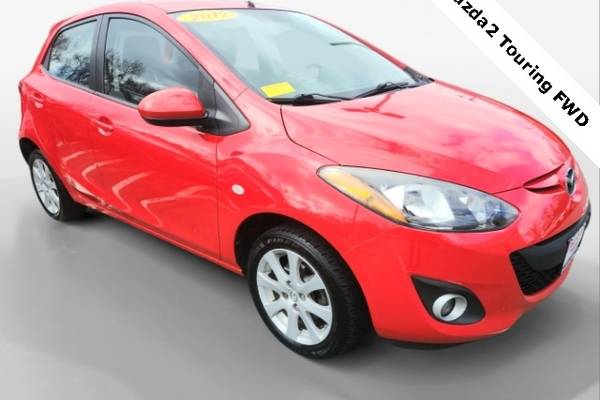
Located in Wakefield, MA / 635 miles away from Columbus, OH
True Red 2012 Mazda Mazda2 Touring FWD 4-Speed Automatic 1.5L I4 DOHC 16V At Liberty Mazda we want you to know that all our vehicles are priced at a...
Accident Free Vehicle: No
Personal Use Only: Yes
History Provider: AutoCheck
Title Details: Clean Title
Salvage Vehicle: No
Frame Damage: No
Theft History: No
Lemon Status: No
Free History Report: No
Features and Specs:
30 Combined MPG (28 City/34 Highway)
Listing Information:
VIN: JM1DE1LZ8C0137453
Stock: M130741
Certified Pre-Owned: No
Listed since: 03-11-2024

Located in San Diego, CA / 1,958 miles away from Columbus, OH
7490 Opportunity Rd, San Diego, CA 92111|PHONE: +1 7**-8**-8***|EMAIL: s****@o **.com
Accident Free Vehicle: Yes
Personal Use Only: No
History Provider: AutoCheck
Title Details: Clean Title
Salvage Vehicle: No
Frame Damage: No
Theft History: No
Lemon Status: No
Free History Report: No
Features and Specs:
29 Combined MPG (27 City/33 Highway)
Listing Information:
VIN: JM1DE1HZ6B0112364
Stock: 112364
Certified Pre-Owned: No
Listed since: 03-03-2024
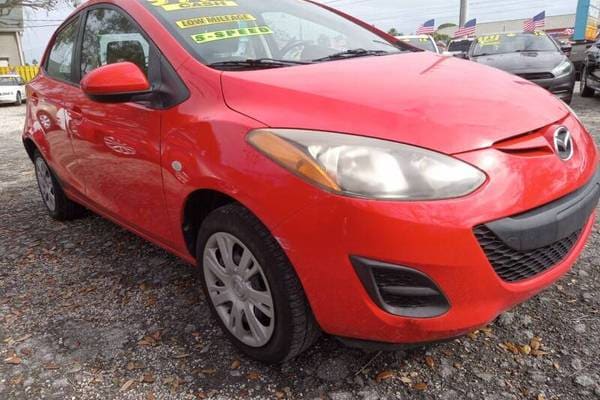
Located in Stuart, FL / 898 miles away from Columbus, OH
You are viewing a 2011 MAZDA MAZDA2 SPORT 4dr Hatchback 5M 1.5L i4 Manual 5speed FWD with ice cold a/c, new tires, brakes, (99K) Great Gas Mileage: 2...
Accident Free Vehicle: Yes
Personal Use Only: Yes
History Provider: AutoCheck
Title Details: Clean Title
Salvage Vehicle: No
Frame Damage: No
Theft History: No
Lemon Status: No
Free History Report: No
Features and Specs:
32 Combined MPG (29 City/35 Highway)
Listing Information:
VIN: JM1DE1HY9B0112494
Stock: 112494
Certified Pre-Owned: No
Listed since: 02-05-2024
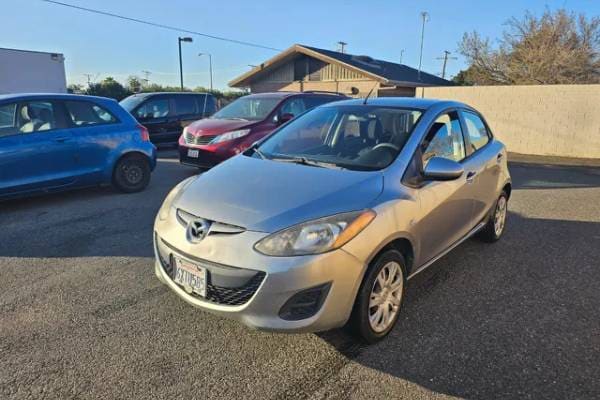
Located in Tracy, CA / 2,065 miles away from Columbus, OH
This Mazda MAZDA2 is ready and waiting for you to take it home today. Finding the right used car can create some real headaches when mileage is a fact...
Accident Free Vehicle: Yes
Personal Use Only: No
History Provider: AutoCheck
Title Details: Clean Title
Salvage Vehicle: No
Frame Damage: No
Theft History: No
Lemon Status: No
Free History Report: No
Features and Specs:
29 Combined MPG (27 City/33 Highway)
Listing Information:
VIN: JM1DE1HZXB0123173
Stock: 123173
Certified Pre-Owned: No
Listed since: 02-17-2023

Located in Austin, TX / 1,073 miles away from Columbus, OH
Efficient, Fun, Green Mazda Mazda2 Sport Hatchback with Automatic Transmission, Aftermarket Back-up Camera, and Aftermarket Pioneer Bluetooth Audio Sy...
Accident Free Vehicle: Yes
Personal Use Only: No
History Provider: AutoCheck
Title Details: Clean Title
Salvage Vehicle: No
Frame Damage: No
Theft History: No
Lemon Status: No
Free History Report: No
Features and Specs:
29 Combined MPG (27 City/33 Highway)
Listing Information:
VIN: JM1DE1HY2B0104320
Stock: 104320
Certified Pre-Owned: No
Listed since: 05-08-2024
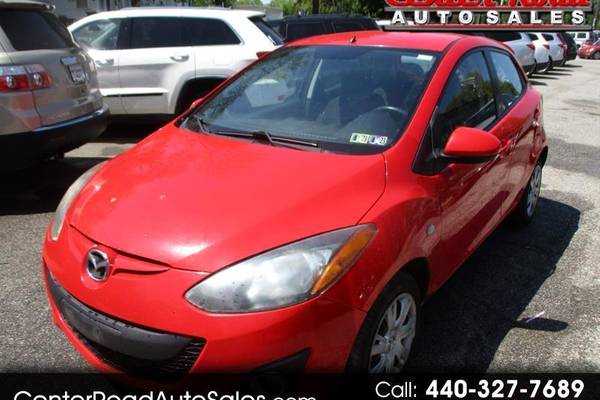
Located in North Ridgeville, OH / 100 miles away from Columbus, OH
Visit our website http://www.centerroadautosales.com for more information and photos on this or any of our other vehicles or call us today for a test...
Accident Free Vehicle: No
Personal Use Only: No
History Provider: AutoCheck
Title Details: Clean Title
Salvage Vehicle: No
Frame Damage: No
Theft History: No
Lemon Status: No
Free History Report: No
Features and Specs:
30 Combined MPG (28 City/34 Highway)
Listing Information:
VIN: JM1DE1LZXD0163361
Stock: 17065
Certified Pre-Owned: No

Located in Falls Church, VA / 314 miles away from Columbus, OH
2011 Mazda2 Clean title Automatic transmission New Virginia safety inspection and emission Keyless entry and power windows Clean interior and exterio...
Accident Free Vehicle: Yes
Personal Use Only: Yes
History Provider: AutoCheck
Title Details: Clean Title
Salvage Vehicle: No
Frame Damage: No
Theft History: No
Lemon Status: No
Free History Report: No
Features and Specs:
29 Combined MPG (27 City/33 Highway)
Listing Information:
VIN: JM1DE1HZ3B0106067
Stock: 106067
Certified Pre-Owned: No
Listed since: 03-31-2024

Located in Greer, SC / 354 miles away from Columbus, OH
2011 Mazda 2 Sport....5 speed manual transmission.................Now this baby will go for days on a tank of gas.....Incredible 28 MPG in the city an...
Accident Free Vehicle: Yes
Personal Use Only: Yes
History Provider: AutoCheck
Title Details: Clean Title
Salvage Vehicle: No
Frame Damage: No
Theft History: No
Lemon Status: No
Free History Report: No
Features and Specs:
32 Combined MPG (29 City/35 Highway)
Listing Information:
VIN: JM1DE1HY0B0114425
Stock: 3217
Certified Pre-Owned: No
Listed since: 04-05-2024
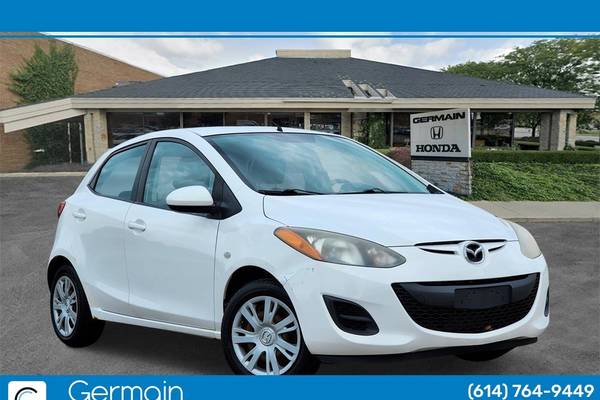
Located in Dublin, OH / 13 miles away from Columbus, OH
on this Vehicle:This used 2011 front wheel drive Mazda Mazda2 Sport sports an appealing Crystal White Pearl exterior, complemented by an upscale and w...
Accident Free Vehicle: Yes
Personal Use Only: Yes
History Provider: AutoCheck
Title Details: Clean Title
Salvage Vehicle: No
Frame Damage: No
Theft History: No
Lemon Status: No
Free History Report: No
Features and Specs:
29 Combined MPG (27 City/33 Highway)
Listing Information:
VIN: JM1DE1HY3B0119893
Stock: H241883B
Certified Pre-Owned: No
Listed since: 04-17-2024
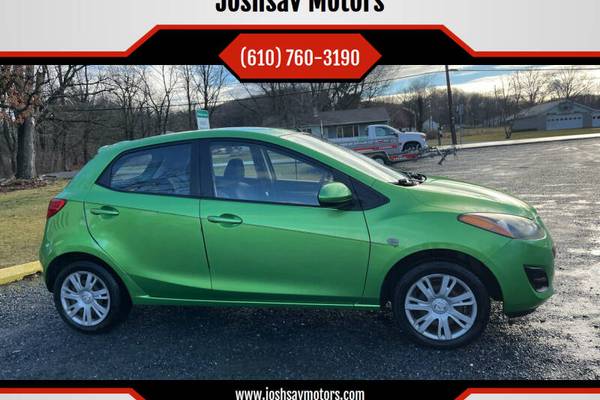
Located in Walnutport, PA / 387 miles away from Columbus, OH
2011 Mazda 2 fwd. Clean title, Power windows, Power Locks, Alloy wheels, Automatic transmission AM/FM Radio and so much more. Are you looking for a Ha...
Accident Free Vehicle: Yes
Personal Use Only: Yes
History Provider: AutoCheck
Title Details: Clean Title
Salvage Vehicle: No
Frame Damage: No
Theft History: No
Lemon Status: No
Free History Report: No
Features and Specs:
29 Combined MPG (27 City/33 Highway)
Listing Information:
VIN: JM1DE1HZ2B0107890
Stock: 21994
Certified Pre-Owned: No
Listed since: 08-28-2023
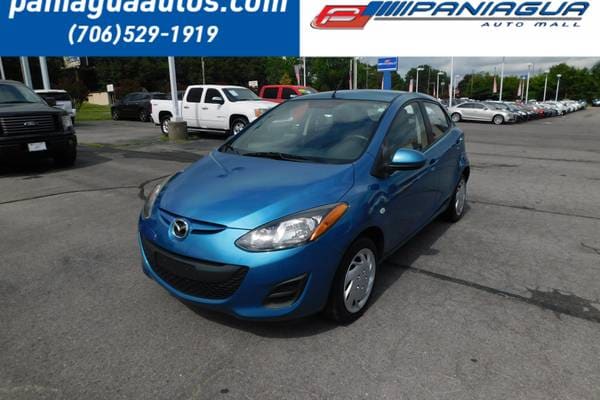
Located in Dalton, GA / 383 miles away from Columbus, OH
2011 MAZDA 2 SPORT 1.5L 4 CYLINDER AUTOMATIC CLOTH INTERIOR ALL POWER HURRY IN TODAY AND TAKE ADVANTAGE OF ALL OUR SPECIAL DEALS WE HAVE THE BEST SE...
Accident Free Vehicle: No
Personal Use Only: Yes
History Provider: AutoCheck
Title Details: Clean Title
Salvage Vehicle: No
Frame Damage: No
Theft History: No
Lemon Status: No
Free History Report: No
Features and Specs:
29 Combined MPG (27 City/33 Highway)
Listing Information:
VIN: JM1DE1HY0B0115140
Stock: 8892
Certified Pre-Owned: No
Listed since: 07-10-2022

Located in Sacramento, CA / 2,046 miles away from Columbus, OH
ACTION AUTO SALES 9**-4**-6*** WE ARE A BUY HERE PAY HERE DEALER "IN HOUSE FINANCING"
Accident Free Vehicle: Yes
Personal Use Only: No
History Provider: AutoCheck
Title Details: Clean Title
Salvage Vehicle: No
Frame Damage: No
Theft History: No
Lemon Status: No
Free History Report: No
Features and Specs:
29 Combined MPG (27 City/33 Highway)
Listing Information:
VIN: JM1DE1HY3B0124463
Stock: 8118
Certified Pre-Owned: No
Listed since: 04-04-2024

Located in Rio Linda, CA / 2,045 miles away from Columbus, OH
Fun to drive, easy to maneuver, and a pleasure to own, our Accident Free 2011 Mazda2 Touring Hatchback is charming in Liquid Silver Metallic! Powered ...
Accident Free Vehicle: Yes
Personal Use Only: Yes
History Provider: AutoCheck
Title Details: Clean Title
Salvage Vehicle: No
Frame Damage: No
Theft History: No
Lemon Status: No
Free History Report: No
Features and Specs:
29 Combined MPG (27 City/33 Highway)
Listing Information:
VIN: JM1DE1HZ8B0126475
Stock: 28654
Certified Pre-Owned: No
Listed since: 01-16-2024

Located in Bloomfield, NJ / 459 miles away from Columbus, OH
Great deal on this 2011 Mazda2 Sport 4dr Hatchback for sale at pristine auto group Used 2011 Mazda2 Sport 4dr Hatchback for sale at pristine auto gro...
Accident Free Vehicle: Yes
Personal Use Only: Yes
History Provider: AutoCheck
Title Details: Title issue reported
Salvage Vehicle: No
Frame Damage: Yes
Theft History: No
Lemon Status: No
Free History Report: No
Features and Specs:
29 Combined MPG (27 City/33 Highway)
Listing Information:
VIN: JM1DE1HZ6B0119699
Stock: 119699
Certified Pre-Owned: No
Listed since: 03-06-2024
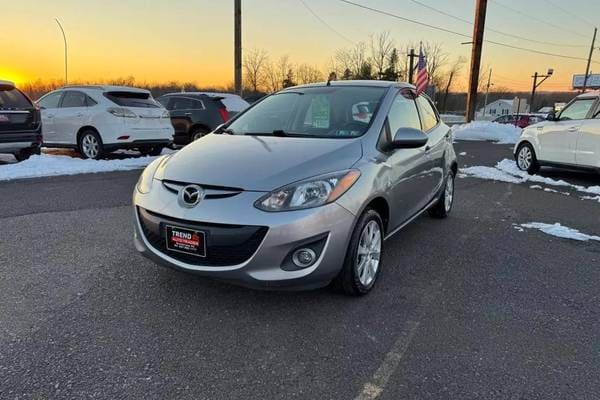
Located in Quakertown, PA / 397 miles away from Columbus, OH
VERY CLEAN VEHICLE - DRIVES LIKE NEW - GOOD TIRES - CLEAN CARFAX - All of Our Vehicles Go Through a 99 Point Inspection and Safety Inspection By Our S...
Accident Free Vehicle: Yes
Personal Use Only: Yes
History Provider: AutoCheck
Title Details: Clean Title
Salvage Vehicle: No
Frame Damage: No
Theft History: No
Lemon Status: No
Free History Report: No
Features and Specs:
29 Combined MPG (27 City/33 Highway)
Listing Information:
VIN: JM1DE1HZ5B0112209
Stock: 112209
Certified Pre-Owned: No
Listed since: 01-25-2024
* Delivery of any kind does not apply to Alaska and Hawaii. Contact the dealer for delivery details, restrictions and costs.