Skip to Filters
Report abuse
1,438 listings
Save with Nissan LEAF rebatesCheck your savings potential before you buy
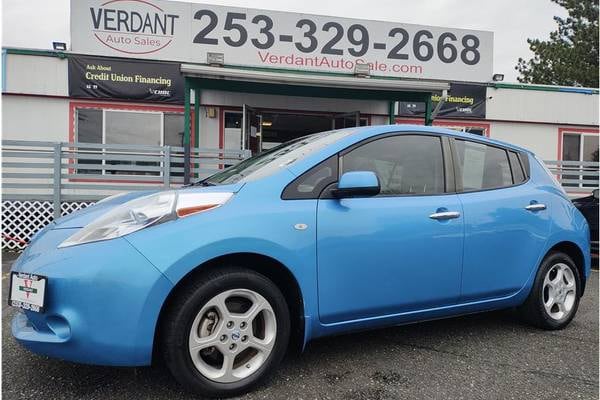
- $2,891great price$1,248 below market
- 74,734 miles
- No accidents, 2 owners, personal use only
- 59 - 60 mi est. range
- Good battery score
- Verdant Auto Sales (Auburn, WA)
Close
Located in Auburn, WA / 2,007 miles away from Columbus, OH
Verdant Auto Sales 1516 Auburn Way N Auburn WA 98002253-329-2668Family owned and operated, ready to serve our community with PreOwned vehicles.DE...
AutoCheck Vehicle History Summary
Accident Free Vehicle: Yes
Personal Use Only: Yes
History Provider: AutoCheck
Title Details: Clean Title
Salvage Vehicle: No
Frame Damage: No
Theft History: No
Lemon Status: No
Free History Report: No
Features and Specs:
Listing Information:
VIN: JN1AZ0CP4BT001823
Stock: 3773
Certified Pre-Owned: No
Listed since: 10-30-2024 - EV Tax CreditCertain EVs and PHEVs may be eligible for a federal used EV tax credit up to $4,000. Buyer and car must qualify.$3,999fair price$101 above market
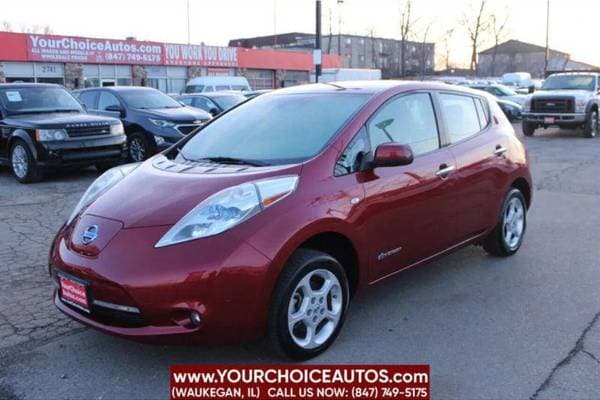
- 104,110 miles
- 1 accident, 1 owner, corporate fleet vehicle
- 58 - 62 mi est. range
- Fair battery score
- Your Choice Autos - Waukegan (Waukegan, IL)
Close
Located in Waukegan, IL / 305 miles away from Columbus, OH
1-OWNER ELECTRIC HATCHBACK BACKUP CAMERA AUDIO PLAYER KEYLESS ENTRY ALLOY WHEEL GOOD TIRES LARGE VARIETY OF VEHICLES AT YOUR CHOICE AUTOS AT TRUE AFFO...
AutoCheck Vehicle History Summary
Accident Free Vehicle: No
Personal Use Only: No
History Provider: AutoCheck
Title Details: Clean Title
Salvage Vehicle: No
Frame Damage: No
Theft History: No
Lemon Status: No
Free History Report: No
Features and Specs:
Listing Information:
VIN: JN1AZ0CP3BT005099
Stock: WYC-005099
Certified Pre-Owned: No
Listed since: 02-05-2025 - Price Drop
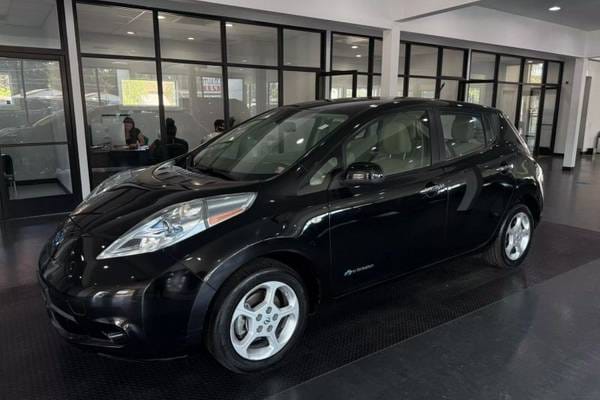
- 60,604 miles
- No accidents, 4 owners, corporate fleet vehicle
- 50 - 53 mi est. range
- Fair battery score
- AutoNation Honda Fremont (Fremont, CA)
Close
Located in Fremont, CA / 2,098 miles away from Columbus, OH
The following items have been reconditioned on this vehicle: all new tires! [F01] Quick Charge PortNavigation System[L92] Floor Mat/Cargo Mat Set...
AutoCheck Vehicle History Summary
Accident Free Vehicle: Yes
Personal Use Only: No
History Provider: AutoCheck
Title Details: Clean Title
Salvage Vehicle: No
Frame Damage: No
Theft History: No
Lemon Status: No
Free History Report: No
Features and Specs:
Listing Information:
VIN: JN1AZ0CP2BT008124
Stock: BT008124
Certified Pre-Owned: No
Listed since: 06-05-2025 - EV Tax CreditCertain EVs and PHEVs may be eligible for a federal used EV tax credit up to $4,000. Buyer and car must qualify.$3,995fair price$277 above market
- 99,700 miles
- No accidents, 1 owner, personal use only
- 51 - 54 mi est. range
- Fair battery score
- JD Auto PDX (Gladstone, OR)
Close
Located in Gladstone, OR / 2,030 miles away from Columbus, OH
2011 NISSAN LEAF 4DR HATCHBACK SL ELECTRIC CAR / CLEAN TITLE AND CLEAN CARFAX / ONE OWNER / AUTOMATIC / QUICK CHARGE PORT / NO ACCIDENTS / BATTERY REP...
AutoCheck Vehicle History Summary
Accident Free Vehicle: Yes
Personal Use Only: Yes
History Provider: AutoCheck
Title Details: Clean Title
Salvage Vehicle: No
Frame Damage: No
Theft History: No
Lemon Status: No
Free History Report: No
Features and Specs:
Listing Information:
VIN: JN1AZ0CP1BT006915
Stock: 006915-272
Certified Pre-Owned: No - EV Tax CreditCertain EVs and PHEVs may be eligible for a federal used EV tax credit up to $4,000. Buyer and car must qualify.
- 31,465 miles
- No accidents, 1 owner, personal use only
- 60 - 61 mi est. range
- Good battery score
- S & H Auto Sales Elkhart (Elkhart, IN)
Close
Located in Elkhart, IN / 201 miles away from Columbus, OH
CARFAX One-Owner. Clean CARFAX. Blue Ocean 2011 Nissan Leaf SL FWD Single Speed Reducer 4D Hatchback 80kW AC Synchronous Electric Motor 106/92 City/Hi...
AutoCheck Vehicle History Summary
Accident Free Vehicle: Yes
Personal Use Only: Yes
History Provider: AutoCheck
Title Details: Clean Title
Salvage Vehicle: No
Frame Damage: No
Theft History: No
Lemon Status: No
Free History Report: No
Features and Specs:
Listing Information:
VIN: JN1AZ0CP8BT000609
Stock: E000609
Certified Pre-Owned: No
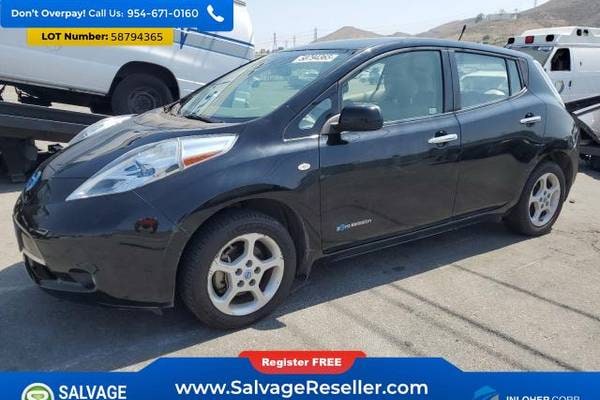
Listed since: 06-11-2025 - New Listing$1,500great price
- 47,776 miles
- No accidents, 4 owners, corporate fleet vehicle
- 51 - 55 mi est. range
- Fair battery score
- Salvage Reseller West (Grand Prairie, TX)
Close
Located in Grand Prairie, TX / 933 miles away from Columbus, OH
This vehicle is located at Colton, CA Copart yard. All purchases must take place online at www.salvagereseller.com. Visit our website to learn more.
AutoCheck Vehicle History Summary
Accident Free Vehicle: Yes
Personal Use Only: No
History Provider: AutoCheck
Title Details: Clean Title
Salvage Vehicle: No
Frame Damage: No
Theft History: No
Lemon Status: No
Free History Report: No
Features and Specs:
Listing Information:
VIN: JN1AZ0CP9CT024810
Stock: 58794365
Certified Pre-Owned: No
Listed since: 06-17-2025 - $3,995good price$710 below market
- 63,959 miles
- No accidents, 2 owners, personal use only
- 52 - 56 mi est. range
- Fair battery score
- JD Auto PDX (Gladstone, OR)
Close
Located in Gladstone, OR / 2,030 miles away from Columbus, OH
AutoCheck Vehicle History Summary
Accident Free Vehicle: Yes
Personal Use Only: Yes
History Provider: AutoCheck
Title Details: Clean Title
Salvage Vehicle: No
Frame Damage: No
Theft History: No
Lemon Status: No
Free History Report: No
Features and Specs:
Listing Information:
VIN: JN1AZ0CP8CT015922
Stock: 015922-268
Certified Pre-Owned: No - EV Tax CreditCertain EVs and PHEVs may be eligible for a federal used EV tax credit up to $4,000. Buyer and car must qualify.$4,449fair price$456 below market
- 37,557 miles
- No accidents, 1 owner, personal use
- 51 - 55 mi est. range
- Fair battery score
- AutoNation Chevrolet West Colonial (Orlando, FL)
Close
Located in Orlando, FL / 798 miles away from Columbus, OH
Navigation System[L92] Floor Mat/Cargo Mat SetKeyless StartRear Spoiler[C03] 50 State EmissionsLight Grey; Cloth Seat TrimSuper BlackThis veh...
AutoCheck Vehicle History Summary
Accident Free Vehicle: Yes
Personal Use Only: Yes
History Provider: AutoCheck
Title Details: Clean Title
Salvage Vehicle: No
Frame Damage: No
Theft History: No
Lemon Status: No
Free History Report: No
Features and Specs:
Listing Information:
VIN: JN1AZ0CP1CT022288
Stock: CT022288
Certified Pre-Owned: No
Listed since: 06-16-2025 - 54,185 miles
- No accidents, 4 owners, corporate fleet vehicle
- 49 - 50 mi est. range
- Fair battery score
- Mira Auto Sales (Cincinnati, OH)
Close
Located in Cincinnati, OH / 100 miles away from Columbus, OH
**2012 Nissan Leaf SL**Electric**54K Miles**FWD**Navigation**Backup Camera**Many Other Features You'll Love** **Looks and Runs Great**Don't Wait Too...
AutoCheck Vehicle History Summary
Accident Free Vehicle: Yes
Personal Use Only: No
History Provider: AutoCheck
Title Details: Clean Title
Salvage Vehicle: No
Frame Damage: No
Theft History: No
Lemon Status: No
Free History Report: No
Features and Specs:
Listing Information:
VIN: JN1AZ0CP9CT018361
Stock: 018361
Certified Pre-Owned: No
Listed since: 03-02-2025- 43,054 miles
- No accidents, 5 owners, personal use
- 60 - 61 mi est. range
- Good battery score
- Autosource Hawaii (Honolulu, HI)
Close
Located in Honolulu, HI / 4,509 miles away from Columbus, OH
Step into the future with the 2012 Nissan LEAF SL – a vehicle that has redefined the essence of eco-friendly sophistication. With an odometer that rea...
AutoCheck Vehicle History Summary
Accident Free Vehicle: Yes
Personal Use Only: Yes
History Provider: AutoCheck
Title Details: Clean Title
Salvage Vehicle: No
Frame Damage: No
Theft History: No
Lemon Status: No
Free History Report: No
Features and Specs:
Listing Information:
VIN: JN1AZ0CP4CT018932
Stock: M716250A
Certified Pre-Owned: No- 56,164 miles
- 1 accident, 2 owners, personal use only
- 52 - 56 mi est. range
- Fair battery score
- Mira Auto Sales (Cincinnati, OH)
Close
Located in Cincinnati, OH / 100 miles away from Columbus, OH
***Electric**Nissan LEAF***SL 4dr Hatchback***56xxmiles *** Looks and Runs Great, Don't Wait Too Long. Get ready to ENJOY! You won't find a better CAR...
AutoCheck Vehicle History Summary
Accident Free Vehicle: No
Personal Use Only: Yes
History Provider: AutoCheck
Title Details: Clean Title
Salvage Vehicle: No
Frame Damage: No
Theft History: No
Lemon Status: No
Free History Report: No
Features and Specs:
Listing Information:
VIN: JN1AZ0CPXCT020040
Stock: 020040
Certified Pre-Owned: No
Listed since: 03-02-2025- $3,995great price$1,815 below market
- 47,464 miles
- No accidents, 2 owners, personal use only
- 57 - 60 mi est. range
- Fair battery score
- JD Auto PDX (Gladstone, OR)
Close
Located in Gladstone, OR / 2,030 miles away from Columbus, OH
AutoCheck Vehicle History Summary
Accident Free Vehicle: Yes
Personal Use Only: Yes
History Provider: AutoCheck
Title Details: Clean Title
Salvage Vehicle: No
Frame Damage: No
Theft History: No
Lemon Status: No
Free History Report: No
Features and Specs:
Listing Information:
VIN: 1N4AZ0CP7DC405494
Stock: 405494-283
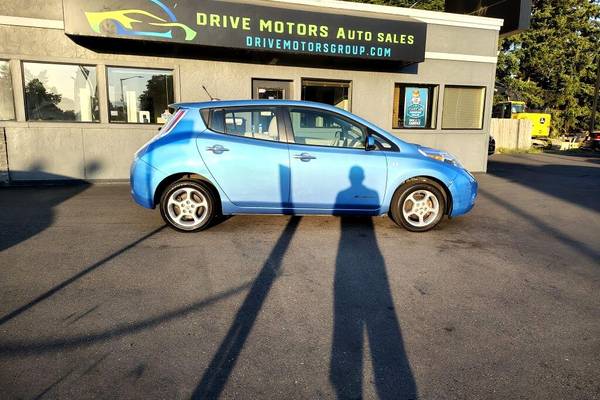
Certified Pre-Owned: No - $2,999good price$1,262 below market
- 44,901 miles
- No accidents, 3 owners, personal use
- 50 - 53 mi est. range
- Fair battery score
- Drive Motors (Puyallup, WA)
Close
Located in Puyallup, WA / 2,010 miles away from Columbus, OH
Visit Drive Motors to shop our great deals. You can contact us or call 2**-3**-5*** to schedule your test drive today.
AutoCheck Vehicle History Summary
Accident Free Vehicle: Yes
Personal Use Only: Yes
History Provider: AutoCheck
Title Details: Clean Title
Salvage Vehicle: No
Frame Damage: No
Theft History: No
Lemon Status: No
Free History Report: No
Features and Specs:
Listing Information:
VIN: JN1AZ0CP6BT005288
Stock: 10118
Certified Pre-Owned: No
Listed since: 06-05-2025 - $5,495fair price
- 55,264 miles
- No accidents, 2 owners, personal use
- 57 - 61 mi est. range
- Fair battery score
- Roger Beasley Mazda Georgetown (Georgetown, TX)
Close
Located in Georgetown, TX / 1,059 miles away from Columbus, OH
Clean CARFAX. Cayenne Red Metallic 2013 Nissan Leaf S FWD Single Speed Reducer 80kW AC Synchronous MotorNeed Financing? We have competitive financi...
AutoCheck Vehicle History Summary
Accident Free Vehicle: Yes
Personal Use Only: Yes
History Provider: AutoCheck
Title Details: Clean Title
Salvage Vehicle: No
Frame Damage: No
Theft History: No
Lemon Status: No
Free History Report: No
Features and Specs:
Listing Information:
VIN: 1N4AZ0CP5DC425985
Stock: S9639B
Certified Pre-Owned: No
Listed since: 04-24-2025 - Not Priced
- 47,410 miles
- No accidents, 2 owners, personal use only
- 51 - 54 mi est. range
- Fair battery score
- Auction Direct Motorsports (Spokane, WA)
Close
Located in Spokane, WA / 1,789 miles away from Columbus, OH
Needs a new owner. Clean title. Financing available on all vehicles.Visit Auction Direct Motorsports to shop our great deals. You can contact us or ...
AutoCheck Vehicle History Summary
Accident Free Vehicle: Yes
Personal Use Only: Yes
History Provider: AutoCheck
Title Details: Clean Title
Salvage Vehicle: No
Frame Damage: No
Theft History: No
Lemon Status: No
Free History Report: No
Features and Specs:
Listing Information:
VIN: JN1AZ0CP3BT005328
Stock: 11457
Certified Pre-Owned: No
Listed since: 02-25-2025 - EV Tax CreditCertain EVs and PHEVs may be eligible for a federal used EV tax credit up to $4,000. Buyer and car must qualify.$3,595good price
- 85,581 miles
- 2 accidents, 1 owner, personal use
- 57 - 61 mi est. range
- Fair battery score
- Happy Cars and Credit Center (Dallas, TX)
Close
Located in Dallas, TX / 913 miles away from Columbus, OH
2013 Nissan LEAF SV Hatchback 4DService HistoryPersonal VehicleThe 2013 Nissan LEAF SV is a fully electric and environmentally friendly vehicle. Since...
AutoCheck Vehicle History Summary
Accident Free Vehicle: No
Personal Use Only: Yes
History Provider: AutoCheck
Title Details: Clean Title
Salvage Vehicle: No
Frame Damage: No
Theft History: No
Lemon Status: No
Free History Report: No
Features and Specs:
Listing Information:
VIN: 1N4AZ0CP0DC410259
Stock: 410259
Certified Pre-Owned: No - EV Tax CreditCertain EVs and PHEVs may be eligible for a federal used EV tax credit up to $4,000. Buyer and car must qualify.$3,995fair price$32 above market
- 80,919 miles
- No accidents, 1 owner, personal use only
- 50 - 53 mi est. range
- Fair battery score
- Trade Auto Sales (Sacramento, CA)
Close
Located in Sacramento, CA / 2,048 miles away from Columbus, OH
2011 Nissan LEAF SL Hatchback 4DPrice: $2,995 1 ownerno accidentClean TitleWarranty AvailableFinancing AvailableFlexible payment termsMiles: 80kFREE C...
AutoCheck Vehicle History Summary
Accident Free Vehicle: Yes
Personal Use Only: Yes
History Provider: AutoCheck
Title Details: Clean Title
Salvage Vehicle: No
Frame Damage: No
Theft History: No
Lemon Status: No
Free History Report: No
Features and Specs:
Listing Information:
VIN: JN1AZ0CP7BT000990
Stock: 22
Certified Pre-Owned: No
Listed since: 01-23-2025 - $4,495fair price$69 above market
- 48,463 miles
- No accidents, 6 owners, corporate fleet vehicle
- 50 - 54 mi est. range
- Fair battery score
- A4dable Rides (Haines City, FL)
Close
Located in Haines City, FL / 828 miles away from Columbus, OH
2011 NISSAN LEAF SL WITH 48K SUPER CLEAN!!!!! ICE COLD A/C!!! LOW MILES!!!! RUNS AND DRIVES EXCELLENT!!! THIS BEAUTY WON'T LAST LONG!!! COME TEST DRIV...
AutoCheck Vehicle History Summary
Accident Free Vehicle: Yes
Personal Use Only: No
History Provider: AutoCheck
Title Details: Clean Title
Salvage Vehicle: No
Frame Damage: No
Theft History: No
Lemon Status: No
Free History Report: No
Features and Specs:
Listing Information:
VIN: JN1AZ0CP2BT003313
Stock: 003313
Certified Pre-Owned: No
Listed since: 03-30-2025 - New Listing
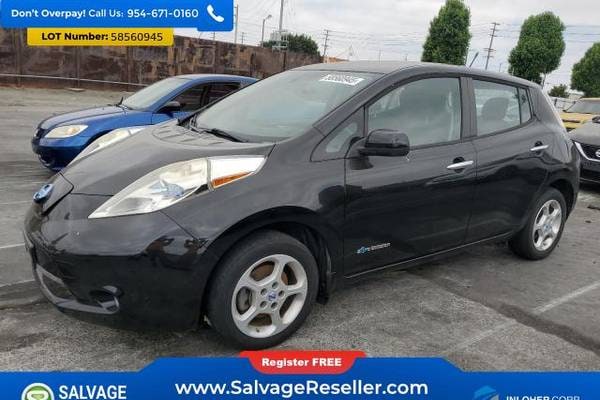
- 49,624 miles
- Insurance loss reported, 4 owners, personal use only
- 57 - 60 mi est. range
- Fair battery score
- Salvage Reseller West (Grand Prairie, TX)
Close
Located in Grand Prairie, TX / 933 miles away from Columbus, OH
This vehicle is located at Wilmington, CA Copart yard. All purchases must take place online at www.salvagereseller.com. Visit our website to learn mor...
AutoCheck Vehicle History Summary
Accident Free Vehicle: Yes
Personal Use Only: Yes
History Provider: AutoCheck
Title Details: Issue reported
Salvage Vehicle: No
Frame Damage: No
Theft History: No
Lemon Status: No
Free History Report: No
Features and Specs:
Listing Information:
VIN: 1N4AZ0CP9DC407800
Stock: 58560945
Certified Pre-Owned: No
Listed since: 02-06-2025 - 74,536 miles
- No accidents, 5 owners, personal use
- 57 - 61 mi est. range
- Fair battery score
- Henna Chevrolet (Austin, TX)
Close
Located in Austin, TX / 1,070 miles away from Columbus, OH
PRE-AUCTION VEHICLESOpportunity to purchase used vehicles before they are sent to auction. These vehicles may need repairs or have other defects and ...
AutoCheck Vehicle History Summary
Accident Free Vehicle: Yes
Personal Use Only: Yes
History Provider: AutoCheck
Title Details: Clean Title
Salvage Vehicle: No
Frame Damage: No
Theft History: No
Lemon Status: No
Free History Report: No
Features and Specs:
Listing Information:
VIN: 1N4AZ0CP0DC408091
Stock: DC408091
Certified Pre-Owned: No
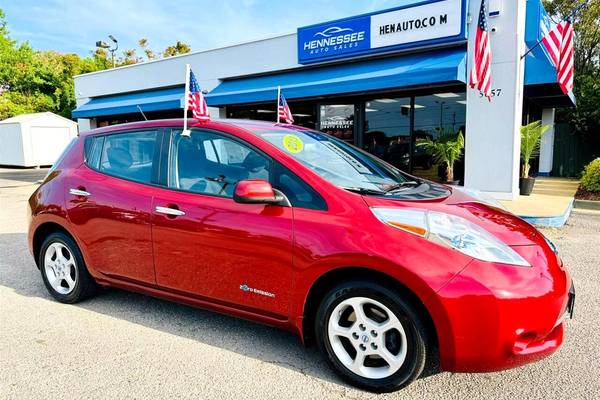
Listed since: 05-22-2025- 46,434 miles
- No accidents, 3 owners, personal use only
- 57 - 61 mi est. range
- Fair battery score
- Hennessee Auto Sales (Virginia Beach, VA)
Close
Located in Virginia Beach, VA / 421 miles away from Columbus, OH
Cruise around in style with this zippy Red 2013 Nissan Leaf! Equipped with a cutting-edge AC Electric Motor and Single-Speed Fixed Gear, this eco-frie...
AutoCheck Vehicle History Summary
Accident Free Vehicle: Yes
Personal Use Only: Yes
History Provider: AutoCheck
Title Details: Clean Title
Salvage Vehicle: No
Frame Damage: No
Theft History: No
Lemon Status: No
Free History Report: No
Features and Specs:
Listing Information:
VIN: 1N4AZ0CP2DC403247
Stock: 1170
Certified Pre-Owned: No





Showing 1 - 21 out of 1,438 listings
Consumer Reviews for the Nissan LEAF
Read recent reviews for the Nissan LEAF
Well built, loved the quiet
rufustf, 06/19/2011
2011 Nissan LEAF SL 4dr Hatchback (electric DD)
We are in TN, so only Nissan dealers are supplying the charging stations making "range anxiety" a very real concern for me after hours driving.
It will just take more planning until I adjust to it.
When DC quick charging stations are more available, range anxiety will be much reduced.
Handles very well.
Filters
Skip to Results