Skip to FiltersReport abuse
40,971 listings
- $27,990great price$3,196 below market
- 46,609 miles
- No accidents, 1 owner, rental vehicle
- 6'4” bed, 3.6l, 6cyl
- Carvana (In-stock online)
- Delivery available*
Close
Located in Richmond, VA / 327 miles away from Columbus, OH
At Carvana, we go miles beyond the extra mile. That's why we provide you with a convenient, fast, and hassle-free car buying experience that puts you ...
AutoCheck Vehicle History Summary
Accident Free Vehicle: Yes
Personal Use Only: No
History Provider: AutoCheck
Title Details: Clean Title
Salvage Vehicle: No
Frame Damage: No
Theft History: No
Lemon Status: No
Free History Report: No
Features and Specs:
21 Combined MPG (19 City/24 Highway)
Listing Information:
VIN: 1C6RRFBG1NN480268
Stock: 2003514491
Certified Pre-Owned: No
Listed since: 02-27-2025 - $28,990good price
- 33,060 miles
- No accidents, 1 owner, personal use only
- 6'4” bed, 3.6l, 6cyl
- Carvana (In-stock online)
- Delivery available*
Close
Located in Dallas, TX / 920 miles away from Columbus, OH
At Carvana, we go miles beyond the extra mile. That's why we provide you with a convenient, fast, and hassle-free car buying experience that puts you ...
AutoCheck Vehicle History Summary
Accident Free Vehicle: Yes
Personal Use Only: Yes
History Provider: AutoCheck
Title Details: Clean Title
Salvage Vehicle: No
Frame Damage: No
Theft History: No
Lemon Status: No
Free History Report: No
Features and Specs:
22 Combined MPG (20 City/25 Highway)
Listing Information:
VIN: 1C6RREBG8NN219410
Stock: 2003555861
Certified Pre-Owned: No
Listed since: 03-09-2025 - $27,990good price
- 50,814 miles
- No accidents, 1 owner, rental vehicle
- 6'4” bed, 3.6l, 6cyl
- Carvana (In-stock online)
- Delivery available*
Close
Located in Dallas, TX / 920 miles away from Columbus, OH
At Carvana, we go miles beyond the extra mile. That's why we provide you with a convenient, fast, and hassle-free car buying experience that puts you ...
AutoCheck Vehicle History Summary
Accident Free Vehicle: Yes
Personal Use Only: No
History Provider: AutoCheck
Title Details: Clean Title
Salvage Vehicle: No
Frame Damage: No
Theft History: No
Lemon Status: No
Free History Report: No
Features and Specs:
22 Combined MPG (20 City/25 Highway)
Listing Information:
VIN: 1C6RREBG0NN272814
Stock: 2003526731
Certified Pre-Owned: No
Listed since: 03-06-2025 - $69,990fair price$490 above market
- 54,351 miles
- No accidents, 2 owners, personal use only
- 5'7” bed, 6.2l, 8cyl
- Carvana (In-stock online)
- Delivery available*
Close
Located in Tampa, FL / 836 miles away from Columbus, OH
At Carvana, we go miles beyond the extra mile. That's why we provide you with a convenient, fast, and hassle-free car buying experience that puts you ...
AutoCheck Vehicle History Summary
Accident Free Vehicle: Yes
Personal Use Only: Yes
History Provider: AutoCheck
Title Details: Clean Title
Salvage Vehicle: No
Frame Damage: No
Theft History: No
Lemon Status: No
Free History Report: No
Features and Specs:
12 Combined MPG (10 City/14 Highway)
Listing Information:
VIN: 1C6SRFU98MN794112
Stock: 2003539605
Certified Pre-Owned: No
Listed since: 02-28-2025 - Price Drop$46,990good price$2,777 below market
- 52,485 miles
- No accidents, 1 owner, personal use only
- 5'7” bed, 5.7l, 8cyl
- Carvana (In-stock online)
- Delivery available*
Close
Located in Birmingham, AL / 501 miles away from Columbus, OH
At Carvana, we go miles beyond the extra mile. That's why we provide you with a convenient, fast, and hassle-free car buying experience that puts you ...
AutoCheck Vehicle History Summary
Accident Free Vehicle: Yes
Personal Use Only: Yes
History Provider: AutoCheck
Title Details: Clean Title
Salvage Vehicle: No
Frame Damage: No
Theft History: No
Lemon Status: No
Free History Report: No
Features and Specs:
19 Combined MPG (17 City/22 Highway)
Listing Information:
VIN: 1C6SRFHT5PN541243
Stock: 2003511001
Certified Pre-Owned: No
Listed since: 02-28-2025 - Price Drop$47,990good price$2,173 below market
- 49,611 miles
- No accidents, 1 owner, rental vehicle
- 5'7” bed, 5.7l, 8cyl
- Carvana (In-stock online)
- Delivery available*
Close
Located in Birmingham, AL / 501 miles away from Columbus, OH
At Carvana, we go miles beyond the extra mile. That's why we provide you with a convenient, fast, and hassle-free car buying experience that puts you ...
AutoCheck Vehicle History Summary
Accident Free Vehicle: Yes
Personal Use Only: No
History Provider: AutoCheck
Title Details: Clean Title
Salvage Vehicle: No
Frame Damage: No
Theft History: No
Lemon Status: No
Free History Report: No
Features and Specs:
19 Combined MPG (17 City/22 Highway)
Listing Information:
VIN: 1C6SRFHT7PN540126
Stock: 2003529342
Certified Pre-Owned: No
Listed since: 02-28-2025 - $24,990good price$2,998 below market
- 69,240 miles
- No accidents, 1 owner, rental vehicle
- 6'4” bed, 3.6l, 6cyl
- Carvana (In-stock online)
- Delivery available*
Close
Located in Salt Lake City, UT / 1,519 miles away from Columbus, OH
At Carvana, we go miles beyond the extra mile. That's why we provide you with a convenient, fast, and hassle-free car buying experience that puts you ...
AutoCheck Vehicle History Summary
Accident Free Vehicle: Yes
Personal Use Only: No
History Provider: AutoCheck
Title Details: Clean Title
Salvage Vehicle: No
Frame Damage: No
Theft History: No
Lemon Status: No
Free History Report: No
Features and Specs:
22 Combined MPG (20 City/25 Highway)
Listing Information:
VIN: 1C6RREBG8NN272785
Stock: 2003468804
Certified Pre-Owned: No
Listed since: 02-06-2025 - New Listing$30,990good price$1,665 below market
- 61,047 miles
- No accidents, 3 owners, personal use only
- 5'7” bed, 3l, 6cyl
- Carvana (In-stock online)
- Delivery available*
Close
Located in Phoenix, AZ / 1,668 miles away from Columbus, OH
At Carvana, we go miles beyond the extra mile. That's why we provide you with a convenient, fast, and hassle-free car buying experience that puts you ...
AutoCheck Vehicle History Summary
Accident Free Vehicle: Yes
Personal Use Only: Yes
History Provider: AutoCheck
Title Details: Clean Title
Salvage Vehicle: No
Frame Damage: No
Theft History: No
Lemon Status: No
Free History Report: No
Features and Specs:
Listing Information:
VIN: 1C6RREFM4MN812549
Stock: 2003488398
Certified Pre-Owned: No
Listed since: 02-20-2025 - Price Drop$28,590good price$2,331 below market
- 49,109 miles
- No accidents, 2 owners, rental vehicle
- 6'4” bed, 3.6l, 6cyl
- Carvana (In-stock online)
- Delivery available*
Close
Located in Richmond, VA / 327 miles away from Columbus, OH
At Carvana, we go miles beyond the extra mile. That's why we provide you with a convenient, fast, and hassle-free car buying experience that puts you ...
AutoCheck Vehicle History Summary
Accident Free Vehicle: Yes
Personal Use Only: No
History Provider: AutoCheck
Title Details: Clean Title
Salvage Vehicle: No
Frame Damage: No
Theft History: No
Lemon Status: No
Free History Report: No
Features and Specs:
21 Combined MPG (19 City/24 Highway)
Listing Information:
VIN: 1C6RRFBG3NN480384
Stock: 2003433113
Certified Pre-Owned: No
Listed since: 01-17-2025 - New Listing$26,499great price$2,788 below market
- 66,237 miles
- No accidents, 1 owner, personal use only
- 6'4” bed, 3.6l, 6cyl
- Enterprise Car Sales (In-stock online)
- Delivery available*
Close
Located in Hazelwood, MO / 410 miles away from Columbus, OH
Transfer of vehicle from another location to your neighborhood Enterprise Car Sales may require payment of a non-refundable transfer fee to begin the ...
AutoCheck Vehicle History Summary
Accident Free Vehicle: Yes
Personal Use Only: Yes
History Provider: AutoCheck
Title Details: Clean Title
Salvage Vehicle: No
Frame Damage: No
Theft History: No
Lemon Status: No
Free History Report: No
Features and Specs:
21 Combined MPG (19 City/24 Highway)
Listing Information:
VIN: 1C6RRFBG8NN279600
Stock: 7VQK70
Certified Pre-Owned: No
Listed since: 03-07-2025 - $27,990fair price
- 59,500 miles
- No accidents, 1 owner, corporate fleet vehicle
- 6'4” bed, 5.7l, 8cyl
- Carvana (In-stock online)
- Delivery available*
Close
Located in Dallas, TX / 920 miles away from Columbus, OH
At Carvana, we go miles beyond the extra mile. That's why we provide you with a convenient, fast, and hassle-free car buying experience that puts you ...
AutoCheck Vehicle History Summary
Accident Free Vehicle: Yes
Personal Use Only: No
History Provider: AutoCheck
Title Details: Clean Title
Salvage Vehicle: No
Frame Damage: No
Theft History: No
Lemon Status: No
Free History Report: No
Features and Specs:
22 Combined MPG (20 City/25 Highway)
Listing Information:
VIN: 1C6RREBT0NN290713
Stock: 2003474022
Certified Pre-Owned: No
Listed since: 02-10-2025 - $42,590good price
- 26,920 miles
- No accidents, 2 owners, personal use only
- 6'4” bed, 5.7l, 8cyl
- Carvana (In-stock online)
- Delivery available*
Close
Located in San Antonio, TX / 1,149 miles away from Columbus, OH
At Carvana, we go miles beyond the extra mile. That's why we provide you with a convenient, fast, and hassle-free car buying experience that puts you ...
AutoCheck Vehicle History Summary
Accident Free Vehicle: Yes
Personal Use Only: Yes
History Provider: AutoCheck
Title Details: Clean Title
Salvage Vehicle: No
Frame Damage: No
Theft History: No
Lemon Status: No
Free History Report: No
Features and Specs:
Listing Information:
VIN: 1C6SRFRT3MN519042
Stock: 2003553391
Certified Pre-Owned: No
Listed since: 03-17-2025 - New Listing$30,999good price$2,520 below market
- 51,341 miles
- No accidents, 1 owner, rental vehicle
- 6'4” bed, 5.7l, 8cyl
- Enterprise Car Sales (In-stock online)
- Delivery available*
Close
Located in Spring Lake Park, MN / 633 miles away from Columbus, OH
Transfer of vehicle from another location to your neighborhood Enterprise Car Sales may require payment of a non-refundable transfer fee to begin the ...
AutoCheck Vehicle History Summary
Accident Free Vehicle: Yes
Personal Use Only: No
History Provider: AutoCheck
Title Details: Clean Title
Salvage Vehicle: No
Frame Damage: No
Theft History: No
Lemon Status: No
Free History Report: No
Features and Specs:
Listing Information:
VIN: 1C6SRFBT9NN326955
Stock: 8DS2HK
Certified Pre-Owned: No
Listed since: 02-24-2025 - New Listing$44,499good price$4,345 below market
- 37,410 miles
- No accidents, 1 owner, rental vehicle
- 5'7” bed, 3l, 6cyl
- Enterprise Car Sales (In-stock online)
- Delivery available*
Close
Located in Victorville, CA / 1,920 miles away from Columbus, OH
Transfer of vehicle from another location to your neighborhood Enterprise Car Sales may require payment of a non-refundable transfer fee to begin the ...
AutoCheck Vehicle History Summary
Accident Free Vehicle: Yes
Personal Use Only: No
History Provider: AutoCheck
Title Details: Clean Title
Salvage Vehicle: No
Frame Damage: No
Theft History: No
Lemon Status: No
Free History Report: No
Features and Specs:
Listing Information:
VIN: 1C6SRFKMXMN740124
Stock: 7VWHKP
Certified Pre-Owned: No
Listed since: 03-26-2025 - $29,999fair price$363 below market
- 79,714 miles
- No accidents, 1 owner, personal use only
- 5'7” bed, 5.7l, 8cyl
- Enterprise Car Sales (In-stock online)
- Delivery available*
Close
Located in Metairie, LA / 807 miles away from Columbus, OH
Transfer of vehicle from another location to your neighborhood Enterprise Car Sales may require payment of a non-refundable transfer fee to begin the ...
AutoCheck Vehicle History Summary
Accident Free Vehicle: Yes
Personal Use Only: Yes
History Provider: AutoCheck
Title Details: Clean Title
Salvage Vehicle: No
Frame Damage: No
Theft History: No
Lemon Status: No
Free History Report: No
Features and Specs:
22 Combined MPG (20 City/25 Highway)
Listing Information:
VIN: 1C6RREFTXNN241223
Stock: 8G2PYS
Certified Pre-Owned: No
Listed since: 02-21-2025 - Price Drop$49,980great price$6,072 below market
- 16,633 miles
- No accidents, 1 owner, personal use only
- 5'7” bed, 3l, 6cyl
- Jake Sweeney Express (In-stock online)
- Delivery available*
Close
Located in Cincinnati, OH / 101 miles away from Columbus, OH
Jake Sweeney Is the only Chrysler Dodge Jeep Ram dealer in the Cincinnati metro area to offer a complementary Lifetime Mechanical Protection with a $0...
AutoCheck Vehicle History Summary
Accident Free Vehicle: Yes
Personal Use Only: Yes
History Provider: AutoCheck
Title Details: Clean Title
Salvage Vehicle: No
Frame Damage: No
Theft History: No
Lemon Status: No
Free History Report: No
Features and Specs:
Listing Information:
VIN: 1C6SRFHM0NN430296
Stock: E11864
Certified Pre-Owned: No
Listed since: 03-13-2025 - $29,990good price$2,905 below market
- 31,772 miles
- 1 accident, 1 owner, rental vehicle
- 6'4” bed, 3.6l, 6cyl
- Carvana (In-stock online)
- Delivery available*
Close
Located in Philadelphia, PA / 409 miles away from Columbus, OH
At Carvana, we go miles beyond the extra mile. That's why we provide you with a convenient, fast, and hassle-free car buying experience that puts you ...
AutoCheck Vehicle History Summary
Accident Free Vehicle: No
Personal Use Only: No
History Provider: AutoCheck
Title Details: Clean Title
Salvage Vehicle: No
Frame Damage: No
Theft History: No
Lemon Status: No
Free History Report: No
Features and Specs:
21 Combined MPG (19 City/24 Highway)
Listing Information:
VIN: 1C6RRFBG4NN480362
Stock: 2003435187
Certified Pre-Owned: No
Listed since: 01-24-2025 - $39,499good price$3,541 below market
- 64,203 miles
- No accidents, 1 owner, rental vehicle
- 5'7” bed, 5.7l, 8cyl
- Enterprise Car Sales (In-stock online)
- Delivery available*
Close
Located in Rochester, NY / 341 miles away from Columbus, OH
Transfer of vehicle from another location to your neighborhood Enterprise Car Sales may require payment of a non-refundable transfer fee to begin the ...
AutoCheck Vehicle History Summary
Accident Free Vehicle: Yes
Personal Use Only: No
History Provider: AutoCheck
Title Details: Clean Title
Salvage Vehicle: No
Frame Damage: No
Theft History: No
Lemon Status: No
Free History Report: No
Features and Specs:
19 Combined MPG (17 City/22 Highway)
Listing Information:
VIN: 1C6SRFHT2NN248476
Stock: 7VLYPT
Certified Pre-Owned: No
Listed since: 08-13-2024 - New Listing$46,990good price$3,069 below market
- 17,393 miles
- No accidents, 1 owner, personal use only
- 5'7” bed, 5.7l, 8cyl
- Carvana (In-stock online)
- Delivery available*
Close
Located in Richmond, VA / 327 miles away from Columbus, OH
At Carvana, we go miles beyond the extra mile. That's why we provide you with a convenient, fast, and hassle-free car buying experience that puts you ...
AutoCheck Vehicle History Summary
Accident Free Vehicle: Yes
Personal Use Only: Yes
History Provider: AutoCheck
Title Details: Clean Title
Salvage Vehicle: No
Frame Damage: No
Theft History: No
Lemon Status: No
Free History Report: No
Features and Specs:
Listing Information:
VIN: 1C6SRFJT3NN453749
Stock: 2003570569
Certified Pre-Owned: No
Listed since: 03-20-2025 - $26,999good price$2,423 below market
- 48,992 miles
- No accidents, 1 owner, rental vehicle
- 6'4” bed, 3.6l, 6cyl
- Enterprise Car Sales (In-stock online)
- Delivery available*
Close
Located in Metairie, LA / 807 miles away from Columbus, OH
Transfer of vehicle from another location to your neighborhood Enterprise Car Sales may require payment of a non-refundable transfer fee to begin the ...
AutoCheck Vehicle History Summary
Accident Free Vehicle: Yes
Personal Use Only: No
History Provider: AutoCheck
Title Details: Clean Title
Salvage Vehicle: No
Frame Damage: No
Theft History: No
Lemon Status: No
Free History Report: No
Features and Specs:
22 Combined MPG (20 City/25 Highway)
Listing Information:
VIN: 1C6RREBG0NN479316
Stock: 7VDW95
Certified Pre-Owned: No
Listed since: 02-27-2025 - $30,999fair price$579 below market
- 52,505 miles
- No accidents, 2 owners, personal use
- 5'7” bed, 3.6l, 6cyl
- Enterprise Car Sales (In-stock online)
- Delivery available*
Close
Located in Pensacola, FL / 706 miles away from Columbus, OH
Transfer of vehicle from another location to your neighborhood Enterprise Car Sales may require payment of a non-refundable transfer fee to begin the ...
AutoCheck Vehicle History Summary
Accident Free Vehicle: Yes
Personal Use Only: Yes
History Provider: AutoCheck
Title Details: Clean Title
Salvage Vehicle: No
Frame Damage: No
Theft History: No
Lemon Status: No
Free History Report: No
Features and Specs:
21 Combined MPG (19 City/24 Highway)
Listing Information:
VIN: 1C6RRFFG8NN298058
Stock: 8DHK5L
Certified Pre-Owned: No
Listed since: 02-24-2025


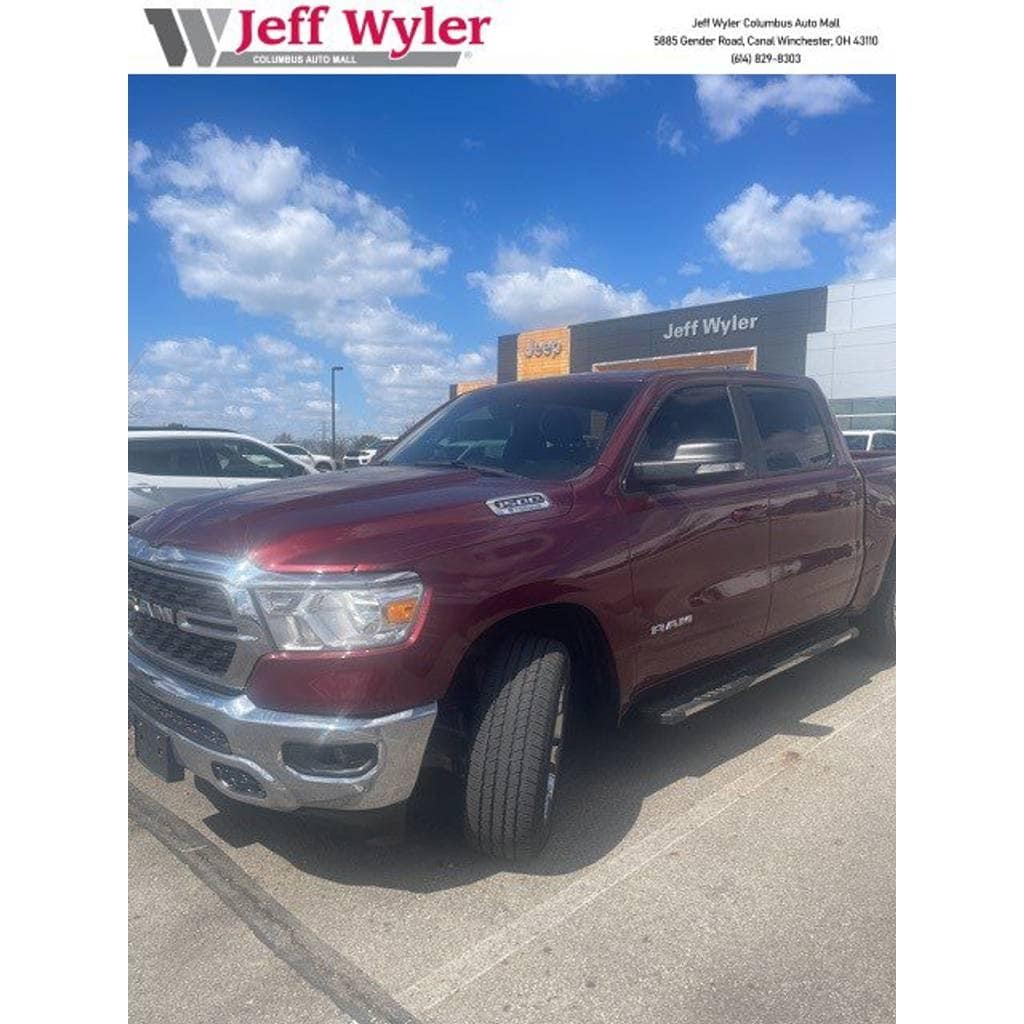
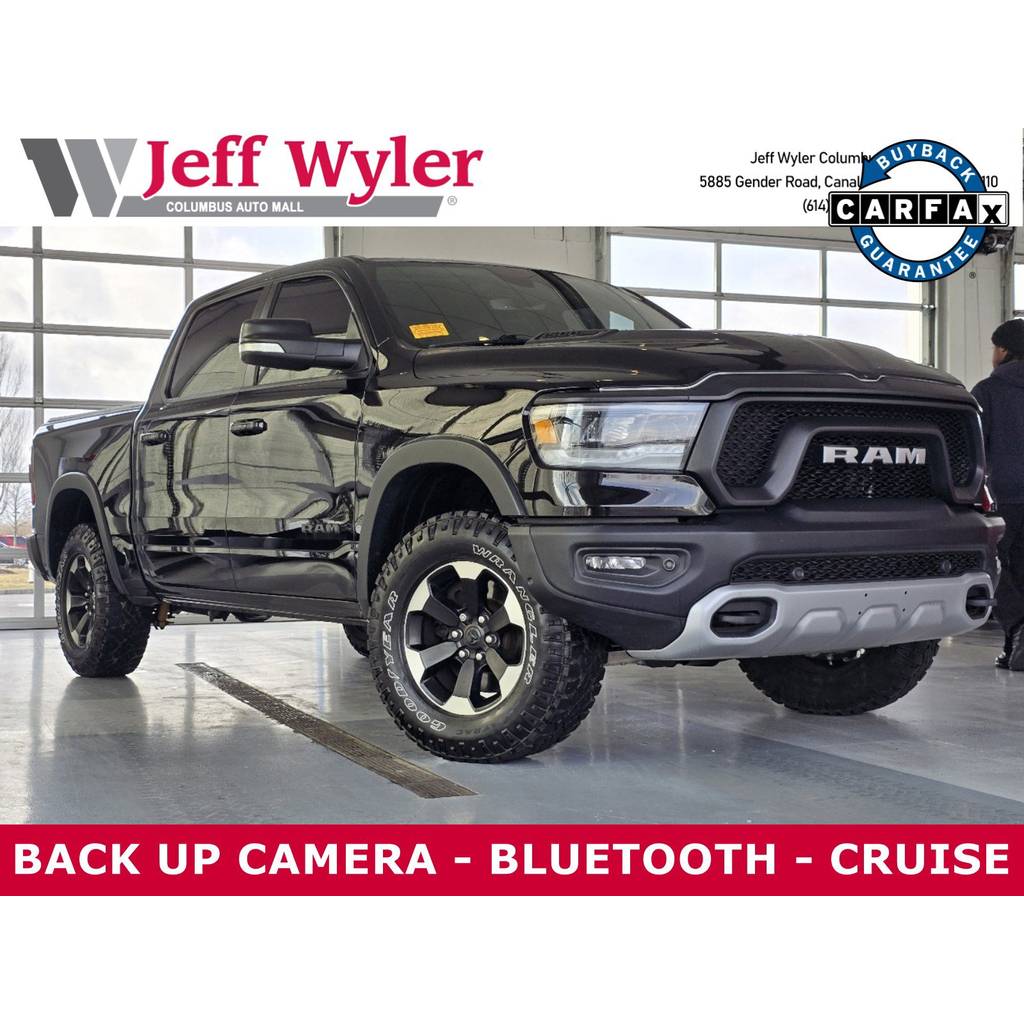
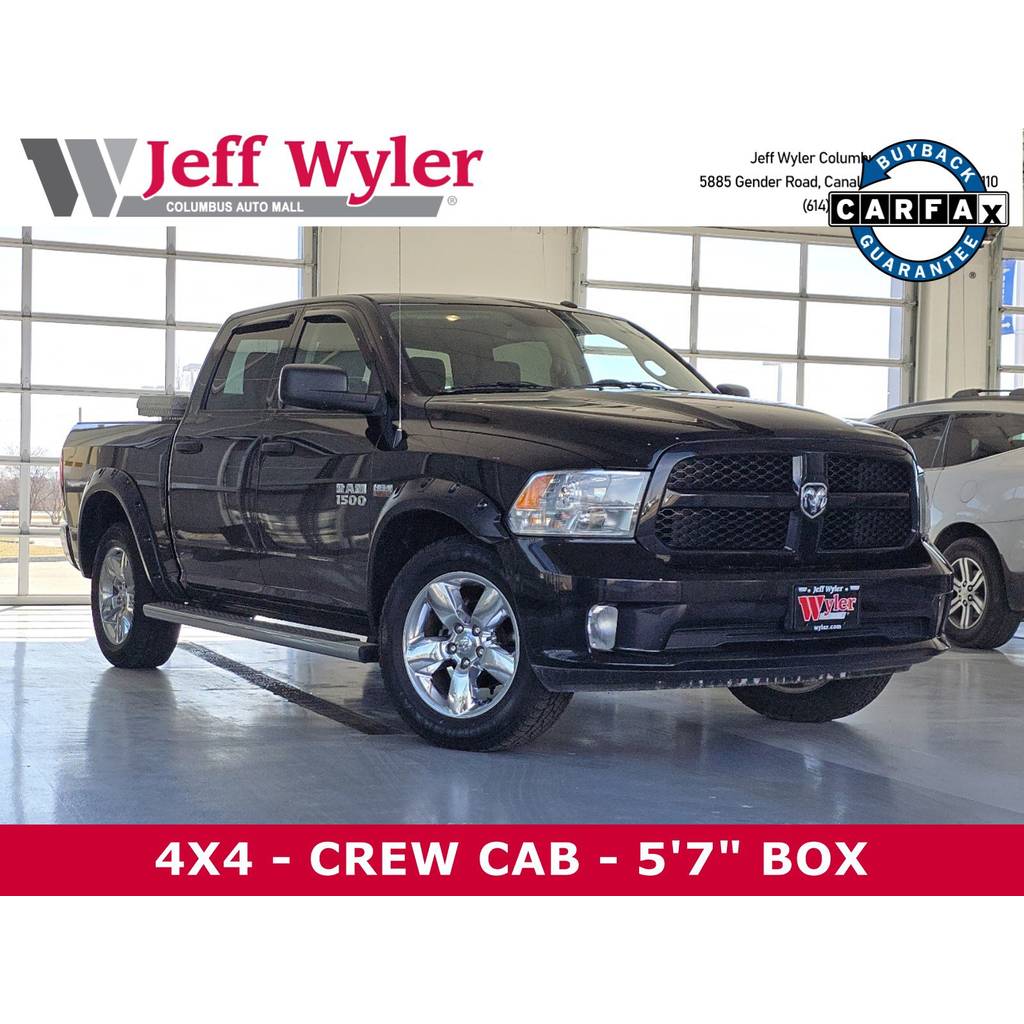
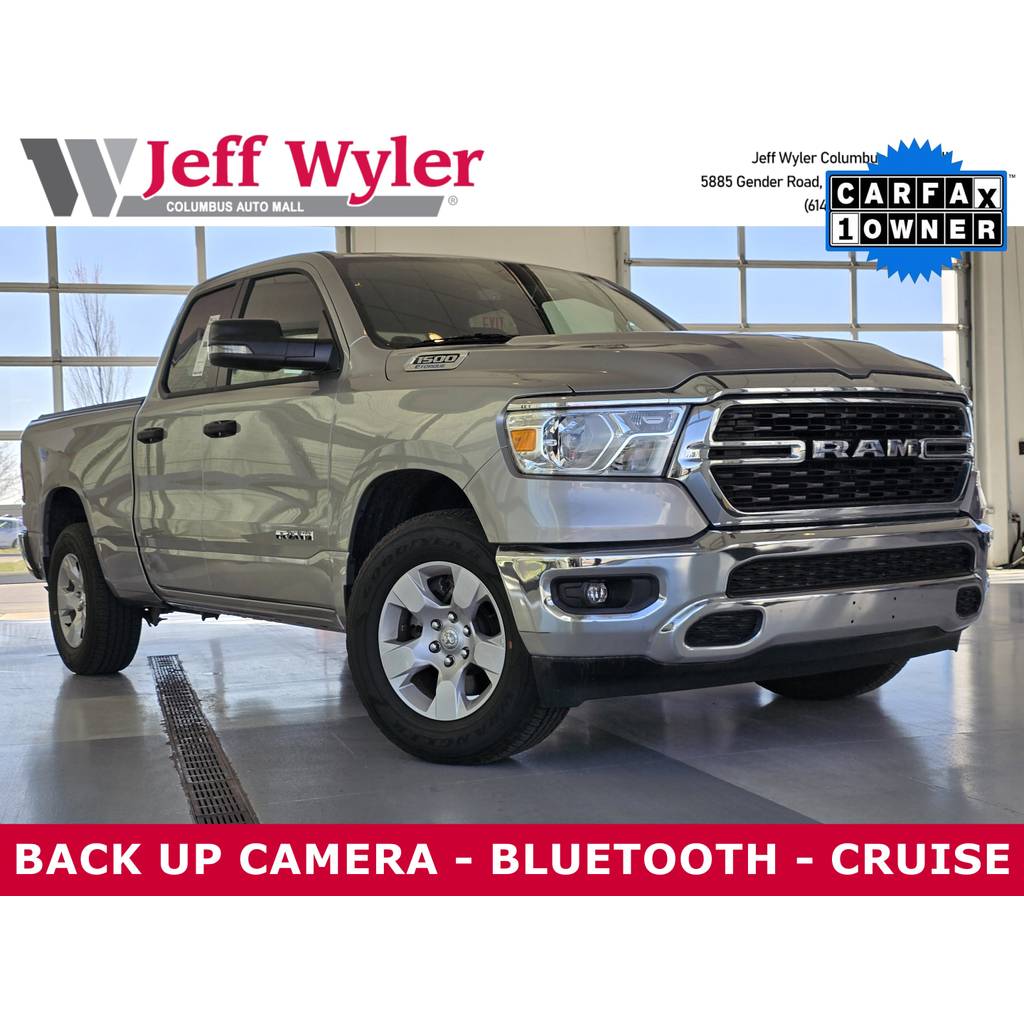
Showing 1 - 21 out of 40,971 listings
Consumer Reviews for the Ram 1500
Read recent reviews for the Ram 1500
New RAM owner after two Tundras
MD in KY, 09/25/2024
2025 Ram 1500
Had been a Tundra owner for 13 years. Traded my TRD Pro for a 2025 RAM 1500 Bighorn Blacktop package 4x4. This is the best riding truck I've ever been in! Regular 3.6L mild hybrid has plenty of power. I kept my last Tundra 10 years because I never found anything even close that was comparable and affordable. This package is loaded. Runs great, looks great, has tons of storage and the … seats are really comfortable. I'm 6'6", so legroom is always an issue. The redesigned 2025 cab made it possible to get in comfortably and I can also get in the back seat with the crew cab with no problem. Getting 20-21 mpg with only 3500 miles on it so far. I looked at a Silverado, Titan, Sierra, Ridgeline, Tundra and Tacoma. This was by far the best of the bunch.
More about the Ram 1500
Edmunds has 40,971 Used Ram 1500s for sale near you, including a 2022 1500 Big Horn Pickup and a 2021 1500 TRX Pickup ranging in price from $24,990 to $69,990.
How much is the used Ram 1500?
- There are 40,971 used Ram 1500 vehicles for sale near you, with an average cost of $36,264.Edmunds found one or more Great deals on a used Ram 1500 near you, starting at $24,990.That's $11,274 less than the average price of a used 1500 near you.
Is the used Ram 1500 a good car?
- The used Ram 1500 received an average score of 3.9 out of 5 based on 1,061 consumer reviews at Edmunds. If you want to learn more about the Ram 1500, read Edmunds' expert review.
Filters
Skip to ResultsApplied Filters4Active
Make & Model
Year
New / Used
Price & Payments
Price Rating
Trim
Truck Details
Mileage
Accidents & History
Engine & Drivetrain
Exterior Color
Interior Color
Total Seating
Edmunds Review
Features
Options & Packages
MPG
* Delivery of any kind does not apply to Alaska and Hawaii. Contact the dealer for delivery details, restrictions and costs.