Used 2009 Nissan GT-R for Sale Near Me
Describe what you’re looking for
BETA

Located in Honolulu, HI / 4,509 miles away from Columbus, OH
Visit our website www.autoxchangeinc.com for more information and photos on this or any other of our vehicles or call us today for a test drive 808...
Accident Free Vehicle: Yes
Personal Use Only: Yes
History Provider: AutoCheck
Title Details: Clean Title
Salvage Vehicle: No
Frame Damage: No
Theft History: No
Lemon Status: No
Free History Report: No
Features and Specs:
18 Combined MPG (16 City/21 Highway)
Listing Information:
VIN: JN1AR54F09M251650
Stock: 251650
Certified Pre-Owned: No

Located in Scottsdale, AZ / 1,658 miles away from Columbus, OH
Welcome to Lapin Motor Co of Scottsdale. We are pleased to present this, 2009 Nissan GT-R Premium *1014 WHP Modification List: *All work performed b...
Accident Free Vehicle: No
Personal Use Only: Yes
History Provider: AutoCheck
Title Details: Clean Title
Salvage Vehicle: No
Frame Damage: No
Theft History: No
Lemon Status: No
Free History Report: No
Features and Specs:
18 Combined MPG (16 City/21 Highway)
Listing Information:
VIN: JN1AR54F79M250236
Stock: C-250236
Certified Pre-Owned: No
Listed since: 03-12-2024

Located in North Syracuse, NY / 406 miles away from Columbus, OH
The King of speed, The Famous GT-R! Clean Carfax, Black w/Leather & Synthetic Suede Seat Trim, Alloy wheels, Heated Front Sport Seats, Leather & Synth...
Accident Free Vehicle: Yes
Personal Use Only: Yes
History Provider: AutoCheck
Title Details: Clean Title
Salvage Vehicle: No
Frame Damage: No
Theft History: No
Lemon Status: No
Free History Report: No
Features and Specs:
17 Combined MPG (15 City/21 Highway)
Listing Information:
VIN: JN1AR5EF9AM231416
Stock: C6504
Certified Pre-Owned: No
Listed since: 05-07-2024

Located in Jacksonville, FL / 676 miles away from Columbus, OH
Used ,2010 Nissan GT-R , Premium For sale near me Jacksonville , FL. 2010 Nissan GT-R Solid Red Premium AWD 6-Speed Manual with Automatic Shifting Cle...
Accident Free Vehicle: Yes
Personal Use Only: Yes
History Provider: AutoCheck
Title Details: Clean Title
Salvage Vehicle: No
Frame Damage: No
Theft History: No
Lemon Status: No
Free History Report: No
Features and Specs:
17 Combined MPG (15 City/21 Highway)
Listing Information:
VIN: JN1AR5EF8AM230354
Stock: AM230354P
Certified Pre-Owned: No
Listed since: 03-14-2024

Located in Portland, OR / 2,029 miles away from Columbus, OH
EcuTek TUNED MANZO FULL EXHAUST DOWNPIPES ETS FRONT MOUNT INTERCOOLER MAP 3' INTAKES Read More
Accident Free Vehicle: Yes
Personal Use Only: Yes
History Provider: AutoCheck
Title Details: Clean Title
Salvage Vehicle: No
Frame Damage: No
Theft History: No
Lemon Status: No
Free History Report: No
Features and Specs:
18 Combined MPG (16 City/21 Highway)
Listing Information:
VIN: JN1AR54FX9M252384
Stock: 10769
Certified Pre-Owned: No
Listed since: 01-26-2024

Located in Dallas, TX / 921 miles away from Columbus, OH
RPM Garage is a specialty car dealership conveniently located off I-35E in Dallas, Texas. With over 100 cars in stock, and new inventory arriving ever...
Accident Free Vehicle: Yes
Personal Use Only: Yes
History Provider: AutoCheck
Title Details: Clean Title
Salvage Vehicle: No
Frame Damage: No
Theft History: No
Lemon Status: No
Free History Report: No
Features and Specs:
18 Combined MPG (16 City/21 Highway)
Listing Information:
VIN: JN1AR54F99M252795
Stock: 252795
Certified Pre-Owned: No
Listed since: 04-05-2024

Located in Portland, OR / 2,037 miles away from Columbus, OH
Vehicle Overview Vehicles Shown By Appointment TEXT 5**-8**-0*** or CALL 5**-5**-1*** We Take Trades, Certified CARFAX VIN History, **CLEAN CARFAX** C...
Accident Free Vehicle: Yes
Personal Use Only: Yes
History Provider: AutoCheck
Title Details: Clean Title
Salvage Vehicle: No
Frame Damage: No
Theft History: No
Lemon Status: No
Free History Report: No
Features and Specs:
18 Combined MPG (16 City/21 Highway)
Listing Information:
VIN: JN1AR54F09M252720
Stock: 6558
Certified Pre-Owned: No
Listed since: 02-15-2024
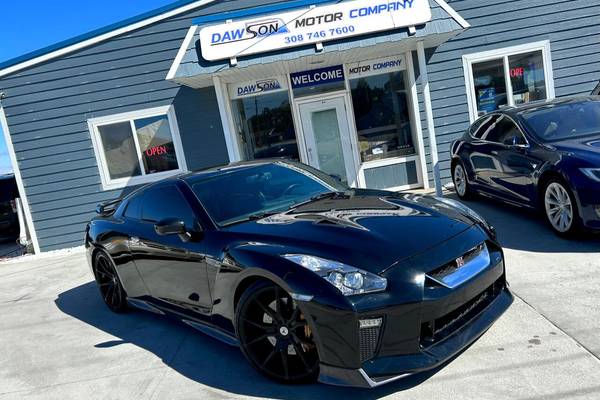
Located in Lexington, NE / 888 miles away from Columbus, OH
Visit Dawson Motor Company online at www.dawsonmotorco.com to see more pictures of this vehicle or call us at 3**-7**-7*** today to schedule your test...
Accident Free Vehicle: No
Personal Use Only: Yes
History Provider: AutoCheck
Title Details: Title issue reported
Salvage Vehicle: No
Frame Damage: No
Theft History: No
Lemon Status: No
Free History Report: No
Features and Specs:
18 Combined MPG (16 City/21 Highway)
Listing Information:
VIN: JN1AR54F49M251893
Stock: 11371
Certified Pre-Owned: No
Listed since: 09-27-2023

Located in Marietta, GA / 432 miles away from Columbus, OH
**WE SHIP ALL OVER USA** ** WE TAKE TRADES ** WE FINANCE ** 2009 Nissan GT-R Premium in AMAZING GRAY Exterior and Gray Interior with 67K miles. Buy fr...
Accident Free Vehicle: Yes
Personal Use Only: Yes
History Provider: AutoCheck
Title Details: Clean Title
Salvage Vehicle: No
Frame Damage: No
Theft History: No
Lemon Status: No
Free History Report: No
Features and Specs:
18 Combined MPG (16 City/21 Highway)
Listing Information:
VIN: JN1AR54F49M252400
Stock: M252400
Certified Pre-Owned: No
Listed since: 02-26-2024

Located in New Albany, IN / 200 miles away from Columbus, OH
Speed by Design 700 kit, Shep transmission 1.5+, 2012 turbo inlets, 2016+ radio upgrade, cold air intakes, Savini forged wheels wrapped w/ Toyo R888'...
Accident Free Vehicle: Yes
Personal Use Only: Yes
History Provider: AutoCheck
Title Details: Clean Title
Salvage Vehicle: No
Frame Damage: No
Theft History: No
Lemon Status: No
Free History Report: No
Features and Specs:
18 Combined MPG (16 City/21 Highway)
Listing Information:
VIN: JN1AR54F59M252826
Stock: HC-2826
Certified Pre-Owned: No
Listed since: 04-11-2024

Located in Scottsdale, AZ / 1,658 miles away from Columbus, OH
Welcome to Lapin Motor Co of Scottsdale. We are pleased to present this, 2011 Nissan GT-R Premium clean title complete boost logic race intercooler a...
Accident Free Vehicle: No
Personal Use Only: Yes
History Provider: AutoCheck
Title Details: Clean Title
Salvage Vehicle: No
Frame Damage: No
Theft History: No
Lemon Status: No
Free History Report: No
Features and Specs:
17 Combined MPG (15 City/21 Highway)
Listing Information:
VIN: JN1AR5EF3BM240209
Stock: C-240209
Certified Pre-Owned: No
Listed since: 12-11-2023
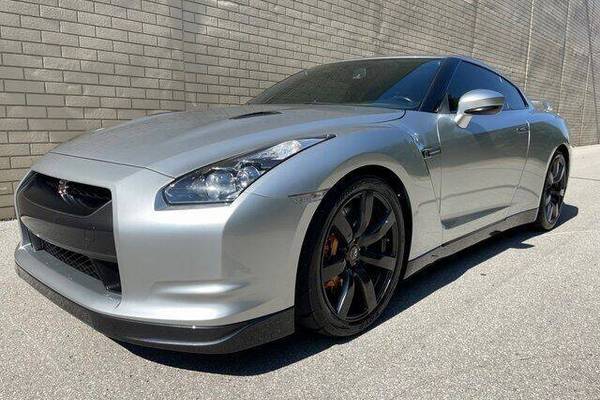
Located in Noblesville, IN / 166 miles away from Columbus, OH
Only 36K Miles On This Amazing Super Silver GT-R. Built By Speed Lab Inc. In Southern California, This GT-R Is Putting Out An Incredible 643hp. Upgrad...
Accident Free Vehicle: No
Personal Use Only: Yes
History Provider: AutoCheck
Title Details: Clean Title
Salvage Vehicle: No
Frame Damage: No
Theft History: No
Lemon Status: No
Free History Report: No
Features and Specs:
17 Combined MPG (15 City/21 Highway)
Listing Information:
VIN: JN1AR5EF1AM230857
Stock: 3638
Certified Pre-Owned: No
Listed since: 06-10-2023
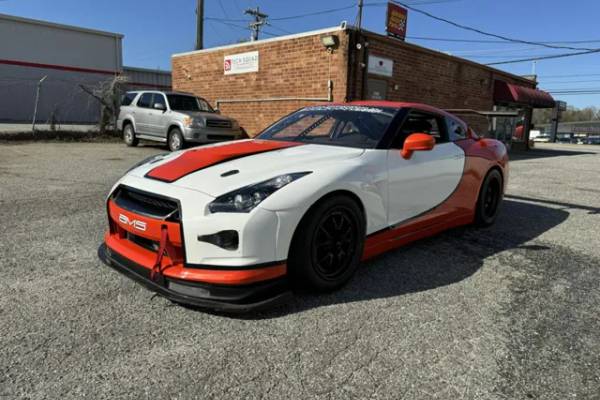
Located in Greensboro, NC / 319 miles away from Columbus, OH
1600 MILES - No Expense Spared - Completely Done Track Gtr. This Vehicle Was Purchased And Built From New. The Gtr Was Delivered Directly From Dealers...
Accident Free Vehicle: Yes
Personal Use Only: Yes
History Provider: AutoCheck
Title Details: Title issue reported
Salvage Vehicle: No
Frame Damage: Yes
Theft History: No
Lemon Status: No
Free History Report: No
Features and Specs:
17 Combined MPG (15 City/21 Highway)
Listing Information:
VIN: JN1AR5EF7AM230507
Stock: S-230507
Certified Pre-Owned: No
Listed since: 06-30-2023
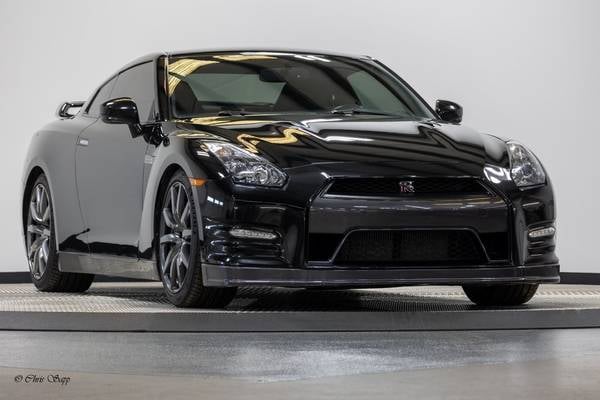
Located in Kansas City, KS / 637 miles away from Columbus, OH
Clean CARFAX. 2012 Nissan GT-R Premium 3.8L V6 DOHC 24V Twin Turbocharged 6-Speed Manual with Automatic Shifting AWD 2D Coupe Jet Black Black Leather....
Accident Free Vehicle: Yes
Personal Use Only: Yes
History Provider: AutoCheck
Title Details: Clean Title
Salvage Vehicle: No
Frame Damage: No
Theft History: No
Lemon Status: No
Free History Report: No
Features and Specs:
19 Combined MPG (16 City/23 Highway)
Listing Information:
VIN: JN1AR5EF5CM250192
Stock: 213335B
Certified Pre-Owned: No
Listed since: 01-09-2024

Located in Scottsdale, AZ / 1,658 miles away from Columbus, OH
Welcome to Lapin Motor Co of Scottsdale. We are pleased to present this, 2012 Nissan GT-R Premium THIS VEHICLE IS SUPER CLEAN WITH 2 KEYS ALL THE BOO...
Accident Free Vehicle: Yes
Personal Use Only: Yes
History Provider: AutoCheck
Title Details: Clean Title
Salvage Vehicle: No
Frame Damage: No
Theft History: No
Lemon Status: No
Free History Report: No
Features and Specs:
19 Combined MPG (16 City/23 Highway)
Listing Information:
VIN: JN1AR5EF2CM250070
Stock: T-250070
Certified Pre-Owned: No
Listed since: 04-18-2024
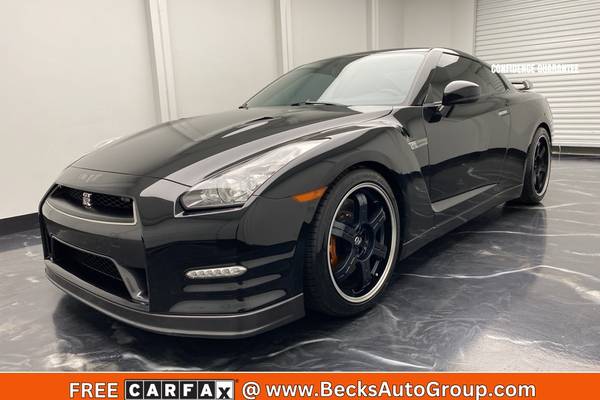
Located in Mason, OH / 92 miles away from Columbus, OH
Tastefully built 2013 Nissan GT-R "Black Eddition". This is one of the few supercars that doesn't scream out its high-speed credentials, and if you'r...
Accident Free Vehicle: Yes
Personal Use Only: Yes
History Provider: AutoCheck
Title Details: Clean Title
Salvage Vehicle: No
Frame Damage: No
Theft History: No
Lemon Status: No
Free History Report: No
Features and Specs:
19 Combined MPG (16 City/23 Highway)
Listing Information:
VIN: JN1AR5EF9DM261519
Stock: AA261519
Certified Pre-Owned: No
Listed since: 02-26-2024

Located in Federal Way, WA / 2,011 miles away from Columbus, OH
West State Motorsport Nationwide Shipping Available! 2009 Nissan GT-R Premium AWD 2dr Coupe Clean Title with Carfax Available! Exterior: Super Sil...
Accident Free Vehicle: Yes
Personal Use Only: Yes
History Provider: AutoCheck
Title Details: Clean Title
Salvage Vehicle: No
Frame Damage: No
Theft History: No
Lemon Status: No
Free History Report: No
Features and Specs:
18 Combined MPG (16 City/21 Highway)
Listing Information:
VIN: JN1AR54FX9M251641
Stock: WSM788
Certified Pre-Owned: No
Listed since: 03-02-2024

Located in Honolulu, HI / 4,509 miles away from Columbus, OH
**Unleash the Power of the 2014 Nissan GT-R Track Edition – A Blue Streak of Pure Adrenaline** Ladies and Gentlemen, fasten your seatbelts and prepar...
Accident Free Vehicle: No
Personal Use Only: Yes
History Provider: AutoCheck
Title Details: Clean Title
Salvage Vehicle: No
Frame Damage: No
Theft History: No
Lemon Status: No
Free History Report: No
Features and Specs:
19 Combined MPG (16 City/23 Highway)
Listing Information:
VIN: JN1AR5EG6EM110051
Stock: EM110051
Certified Pre-Owned: No
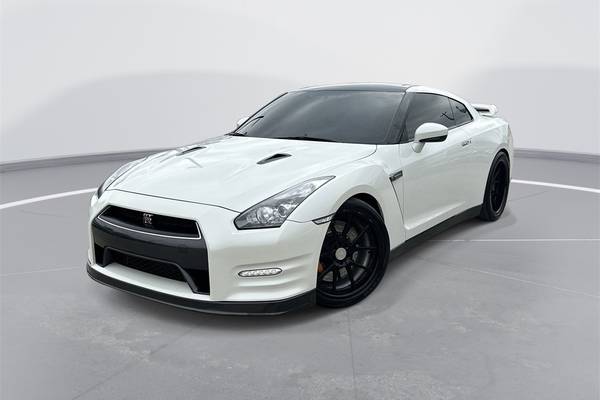
Located in Mckinney, TX / 897 miles away from Columbus, OH
2014 Nissan GT-R Premium Black w/Leather-Appointed & Synthetic Suede Seat Trim. Clean CARFAX. Odometer is 5349 miles below market average! Most of ou...
Accident Free Vehicle: Yes
Personal Use Only: Yes
History Provider: AutoCheck
Title Details: Clean Title
Salvage Vehicle: No
Frame Damage: No
Theft History: No
Lemon Status: No
Free History Report: No
Features and Specs:
19 Combined MPG (16 City/23 Highway)
Listing Information:
VIN: JN1AR5EF1EM270362
Stock: EM270362
Certified Pre-Owned: No
Listed since: 04-12-2024

Located in Kent, WA / 2,008 miles away from Columbus, OH
-3.8L TWIN-TURBO V6 ENGINE-ALL WHEEL DRIVE-NAVIGATION SYSTEM-GTC TITAN 102MM TITANIUM CATBACK EXHAUST-SBD 3'' INTAKES-VELGEN VMB5 WHEELS-LED LIGHTING-...
Accident Free Vehicle: No
Personal Use Only: Yes
History Provider: AutoCheck
Title Details: Clean Title
Salvage Vehicle: No
Frame Damage: No
Theft History: No
Lemon Status: No
Free History Report: No
Features and Specs:
19 Combined MPG (16 City/23 Highway)
Listing Information:
VIN: JN1AR5EF7EM270673
Stock: 1654
Certified Pre-Owned: No
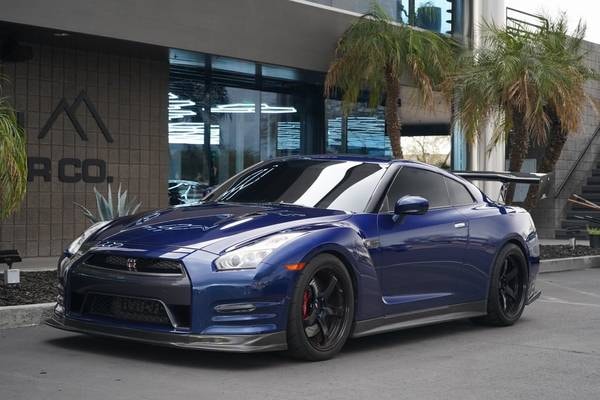
Located in Scottsdale, AZ / 1,658 miles away from Columbus, OH
Welcome to Lapin Motor Co of Scottsdale. We are pleased to present this, 2014 Nissan GT-R Premium Upgraded nismo turbos MRP 3in fully custom intakes ...
Accident Free Vehicle: No
Personal Use Only: Yes
History Provider: AutoCheck
Title Details: Clean Title
Salvage Vehicle: No
Frame Damage: No
Theft History: No
Lemon Status: No
Free History Report: No
Features and Specs:
19 Combined MPG (16 City/23 Highway)
Listing Information:
VIN: JN1AR5EF2EM270936
Stock: C-270936
Certified Pre-Owned: No
Listed since: 02-13-2024