Used 2009 BMW M3 for Sale Near Me
Describe what you’re looking for
BETA
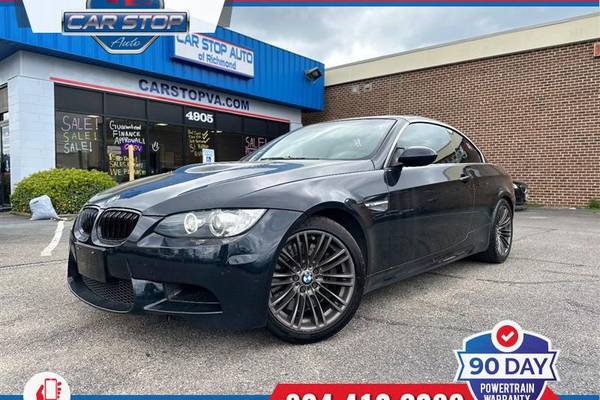
Located in Richmond, VA / 335 miles away from Columbus, OH
2008 BMW 3 SERIES M3 with powerful 4.0L DOHC 32-VALVE V8 W/DOUBLE-VANOS VARIABLE engine and driven only 95006 miles! Fully loaded and much more! CARF...
Accident Free Vehicle: Yes
Personal Use Only: No
History Provider: AutoCheck
Title Details: Clean Title
Salvage Vehicle: No
Frame Damage: No
Theft History: No
Lemon Status: No
Free History Report: No
Features and Specs:
16 Combined MPG (13 City/19 Highway)
Listing Information:
VIN: WBSWL93598P331202
Stock: CSA2249
Certified Pre-Owned: No

Located in Honolulu, HI / 4,509 miles away from Columbus, OH
Step into the world of high-performance luxury with this stunning 2009 BMW M3, a marvel of German engineering that promises to deliver an exhilarating...
Accident Free Vehicle: Yes
Personal Use Only: Yes
History Provider: AutoCheck
Title Details: Clean Title
Salvage Vehicle: No
Frame Damage: No
Theft History: No
Lemon Status: No
Free History Report: No
Features and Specs:
16 Combined MPG (14 City/20 Highway)
Listing Information:
VIN: WBSPM93539E201706
Stock: J5L0044A
Certified Pre-Owned: No
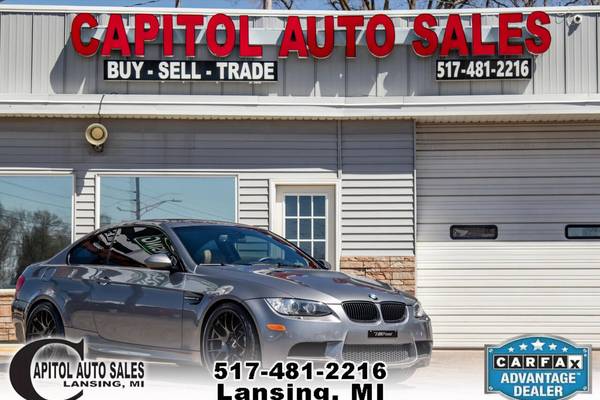
Located in Lansing, MI / 203 miles away from Columbus, OH
?? Capitol Auto Sales - Unleash the Thrill with our 2008 BMW M3 Coupe! ?? Rev up your driving experience with our stunning 2008 BMW M3 Coupe, a true...
Accident Free Vehicle: No
Personal Use Only: No
History Provider: AutoCheck
Title Details: Clean Title
Salvage Vehicle: No
Frame Damage: No
Theft History: No
Lemon Status: No
Free History Report: No
Features and Specs:
16 Combined MPG (14 City/20 Highway)
Listing Information:
VIN: WBSWD93558PY42290
Stock: 5689
Certified Pre-Owned: No
Listed since: 06-02-2023

Located in Martinez, CA / 2,096 miles away from Columbus, OH
Unleash the power and style of this sleek Jet Black 2008 BMW 3 Series! With its powerful 4.0L V8 engine and rear-wheel drive, this car is sure to turn...
Accident Free Vehicle: No
Personal Use Only: No
History Provider: AutoCheck
Title Details: Clean Title
Salvage Vehicle: No
Frame Damage: No
Theft History: No
Lemon Status: No
Free History Report: No
Features and Specs:
16 Combined MPG (13 City/19 Highway)
Listing Information:
VIN: WBSWL93538P330501
Stock: 9713
Certified Pre-Owned: No

Located in Scottsdale, AZ / 1,664 miles away from Columbus, OH
**6 SPEED MANUAL TRANSMISSION**$63,575 ORIGINAL MSRP**TECHNOLOGY PACKAGE($3,250)**PREMIUM PACKAGE($1,900)**COLD WEATHER PACKAGE**COMFORT ACCESS KEYLES...
Accident Free Vehicle: No
Personal Use Only: Yes
History Provider: AutoCheck
Title Details: Clean Title
Salvage Vehicle: No
Frame Damage: No
Theft History: No
Lemon Status: No
Free History Report: No
Features and Specs:
16 Combined MPG (14 City/20 Highway)
Listing Information:
VIN: WBSWD93518PY41119
Stock: P22552
Certified Pre-Owned: No
Listed since: 04-25-2024

Located in Edmonds, WA / 2,013 miles away from Columbus, OH
2008 BMW E92 M3 6MT Clean title, 6 speed manual, S65 V8, individual audio package, navigation, ZCP wheels, ECS Tuning wheel spacers, aftermarket exha...
Accident Free Vehicle: Yes
Personal Use Only: Yes
History Provider: AutoCheck
Title Details: Clean Title
Salvage Vehicle: No
Frame Damage: No
Theft History: No
Lemon Status: No
Free History Report: No
Features and Specs:
16 Combined MPG (14 City/20 Highway)
Listing Information:
VIN: WBSWD93578PY40296
Stock: Y40296
Certified Pre-Owned: No
Listed since: 04-27-2024
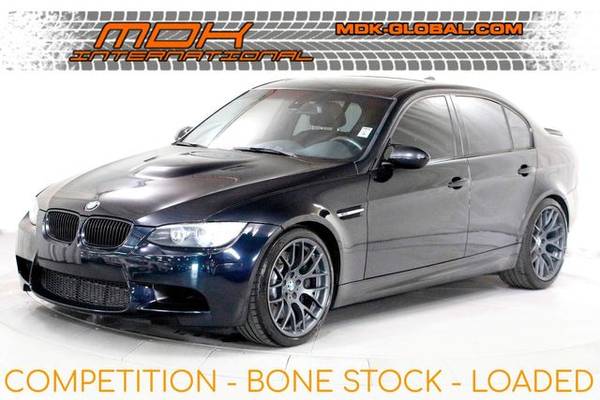
Located in Burbank, CA / 1,983 miles away from Columbus, OH
* Please note, we are selling this car for a friend of ours - this is a consignment unit and sold as-is - third party inspections are welcome! * We ...
Accident Free Vehicle: Yes
Personal Use Only: Yes
History Provider: AutoCheck
Title Details: Clean Title
Salvage Vehicle: No
Frame Damage: No
Theft History: No
Lemon Status: No
Free History Report: No
Features and Specs:
16 Combined MPG (14 City/20 Highway)
Listing Information:
VIN: WBSPM9C57BE203366
Stock: 203366
Certified Pre-Owned: No
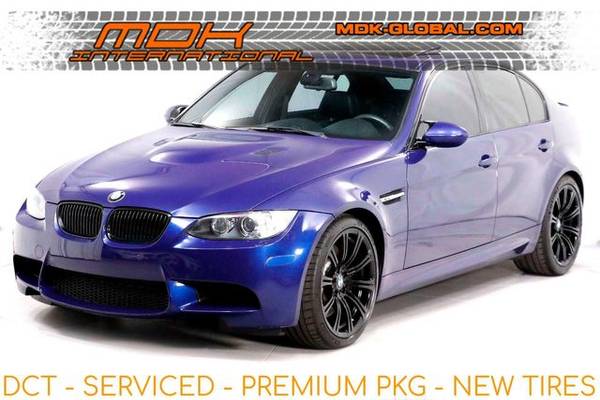
Located in Burbank, CA / 1,983 miles away from Columbus, OH
* Good luck finding another one this clean! This is one of our favorite cars, and we actually own one. Possibly the best M car ever made * Please not...
Accident Free Vehicle: Yes
Personal Use Only: Yes
History Provider: AutoCheck
Title Details: Title issue reported
Salvage Vehicle: No
Frame Damage: No
Theft History: No
Lemon Status: Yes
Free History Report: No
Features and Specs:
16 Combined MPG (14 City/20 Highway)
Listing Information:
VIN: WBSPM9C50BE202916
Stock: 202916
Certified Pre-Owned: No
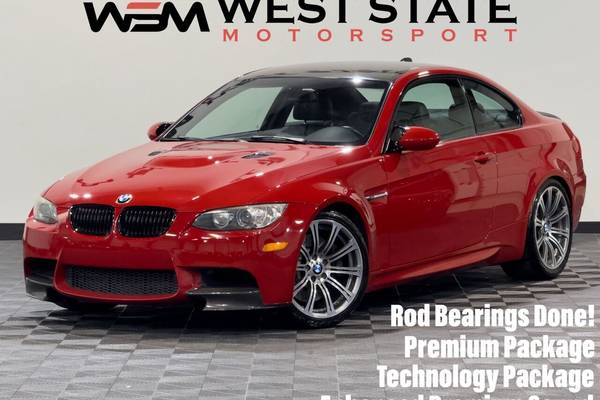
Located in Federal Way, WA / 2,011 miles away from Columbus, OH
West State Motorsport Nationwide Shipping Available! 2011 BMW M3 Base 2dr Coupe Clean Title with Carfax Available! Exterior: Melbourne Red Metalli...
Accident Free Vehicle: Yes
Personal Use Only: Yes
History Provider: AutoCheck
Title Details: Clean Title
Salvage Vehicle: No
Frame Damage: No
Theft History: No
Lemon Status: No
Free History Report: No
Features and Specs:
16 Combined MPG (14 City/20 Highway)
Listing Information:
VIN: WBSKG9C52BE368503
Stock: WSM810
Certified Pre-Owned: No
Listed since: 04-06-2024
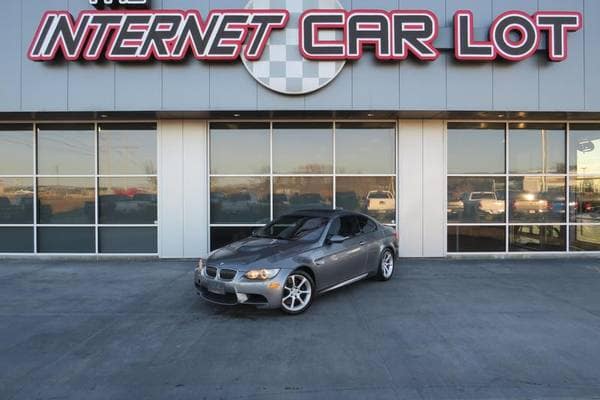
Located in Omaha, NE / 694 miles away from Columbus, OH
Check out this very nice 2008 BMW M3 Coupe! This vehicle looks and drives great! It has great options including a 4.0L V8 Engine, Dual Climate Control...
Accident Free Vehicle: Yes
Personal Use Only: Yes
History Provider: AutoCheck
Title Details: Clean Title
Salvage Vehicle: No
Frame Damage: No
Theft History: No
Lemon Status: No
Free History Report: No
Features and Specs:
16 Combined MPG (14 City/20 Highway)
Listing Information:
VIN: WBSWD93518PY40679
Stock: Y40679COC71852
Certified Pre-Owned: No

Located in Marietta, GA / 430 miles away from Columbus, OH
Clean Carfax report with no accidents history reported . Immaculate condition inside and outside with a huge list of service history including Multi P...
Accident Free Vehicle: Yes
Personal Use Only: No
History Provider: AutoCheck
Title Details: Clean Title
Salvage Vehicle: No
Frame Damage: No
Theft History: No
Lemon Status: No
Free History Report: No
Features and Specs:
16 Combined MPG (13 City/20 Highway)
Listing Information:
VIN: WBSWL93509P331719
Stock: 331719
Certified Pre-Owned: No
Listed since: 03-05-2023
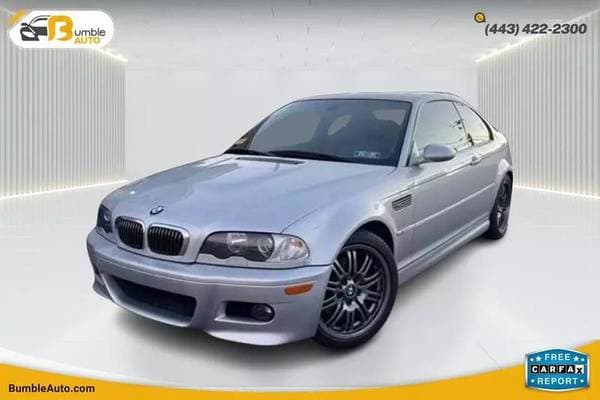
Located in Ellicott City, MD / 323 miles away from Columbus, OH
Delve into a world of exceptional pre-owned vehicles at Bumble Auto, where quality and affordability coalesce. Our varied inventory accommodates diffe...
Accident Free Vehicle: Yes
Personal Use Only: Yes
History Provider: AutoCheck
Title Details: Clean Title
Salvage Vehicle: No
Frame Damage: No
Theft History: No
Lemon Status: No
Free History Report: No
Features and Specs:
17 Combined MPG (14 City/22 Highway)
Listing Information:
VIN: WBSBL934X6PN65965
Stock: B1644
Certified Pre-Owned: No
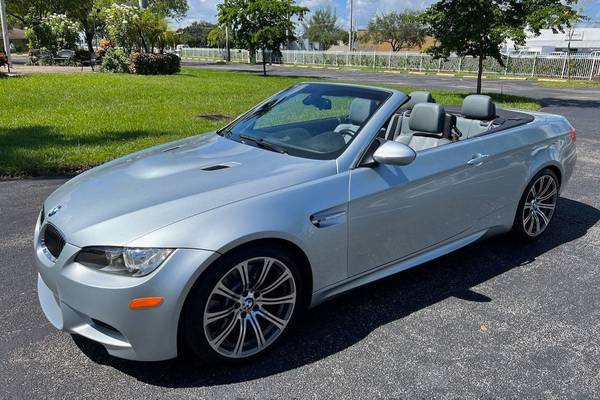
Located in Pompano Beach, FL / 968 miles away from Columbus, OH
Vehicle Overview Florida Car Collection is a CARFAX Advantage Dealer. FREE Carfax & Autocheck report available. Fast LOW-COST shipping worldwide. Feat...
Accident Free Vehicle: Yes
Personal Use Only: Yes
History Provider: AutoCheck
Title Details: Clean Title
Salvage Vehicle: No
Frame Damage: No
Theft History: No
Lemon Status: No
Free History Report: No
Features and Specs:
16 Combined MPG (13 City/20 Highway)
Listing Information:
VIN: WBSWL93529P332001
Stock: 332001
Certified Pre-Owned: No
Listed since: 09-19-2023
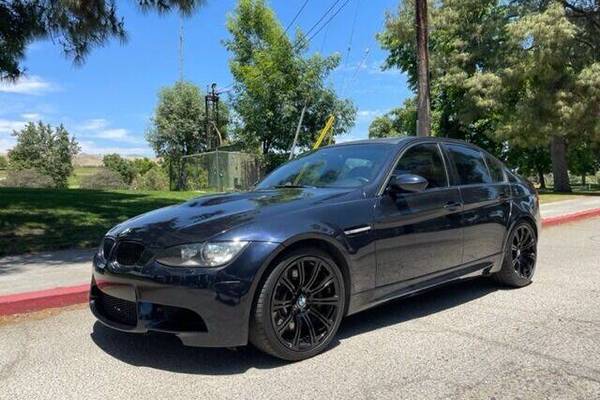
Located in Pacoima, CA / 1,986 miles away from Columbus, OH
2008 BMW M3 6 Speed Manual Transmission, 4.0-Liter V8. 414 HP, RWD, 117k Jerez Black Metallic/Black Leather, Moon Roof, Navigation System, Keyless Ent...
Accident Free Vehicle: Yes
Personal Use Only: Yes
History Provider: AutoCheck
Title Details: Clean Title
Salvage Vehicle: No
Frame Damage: No
Theft History: No
Lemon Status: No
Free History Report: No
Features and Specs:
16 Combined MPG (14 City/20 Highway)
Listing Information:
VIN: WBSVA93548E215256
Stock: 5256
Certified Pre-Owned: No
Listed since: 06-28-2023
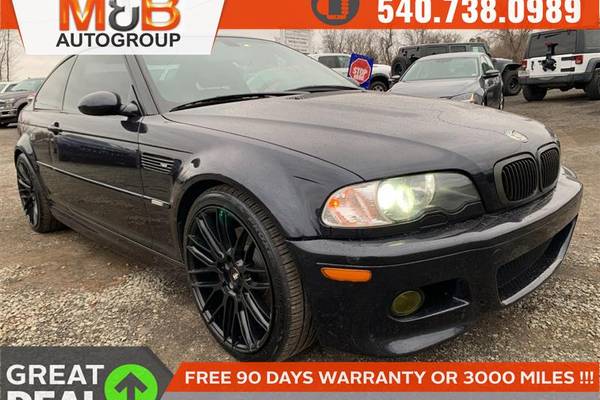
Located in Bealeton, VA / 288 miles away from Columbus, OH
2006 BMW 3 SERIES REAR WHEEL DRIVE with powerful 3.2L DOHC 24-VALVE I6 W/VARIABLE VALVE TIMING engine and driven 83850 miles!CARFAX CERTIFIED**FINAN...
Accident Free Vehicle: Yes
Personal Use Only: No
History Provider: AutoCheck
Title Details: Clean Title
Salvage Vehicle: No
Frame Damage: No
Theft History: No
Lemon Status: No
Free History Report: No
Features and Specs:
17 Combined MPG (14 City/22 Highway)
Listing Information:
VIN: WBSBL93406PN64811
Stock: mda4686
Certified Pre-Owned: No

Located in Portland, OR / 2,033 miles away from Columbus, OH
MS MOTORS 503-805-0976 BY APPOINTMENT ONLY FINANCING AVAILABLE WE ARE A CUDL DEALERSHIP WE PAY TOP DOLLAR FOR TRADE INS *E92 M3 IS THE LAST NATURA...
Accident Free Vehicle: No
Personal Use Only: No
History Provider: AutoCheck
Title Details: Title issue reported
Salvage Vehicle: No
Frame Damage: Yes
Theft History: No
Lemon Status: No
Free History Report: No
Features and Specs:
16 Combined MPG (14 City/20 Highway)
Listing Information:
VIN: WBSKG9C5XBE645897
Stock: 645897
Certified Pre-Owned: No
Listed since: 04-06-2024
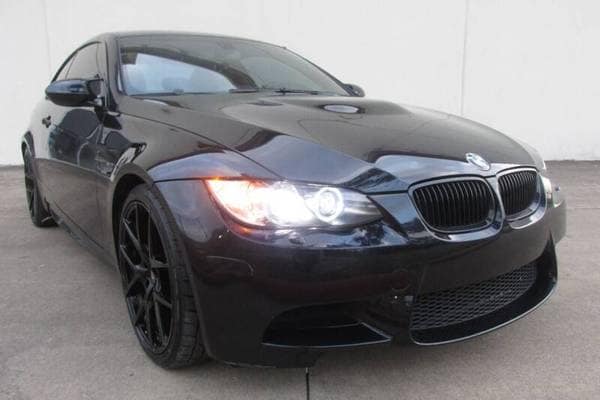
Located in Richmond, TX / 1,027 miles away from Columbus, OH
LOOKING FOR A HIGH PERFORMANCE SPORT CAR IN A GREAT CONDITION BUT DON'T WANT TO BREAK THE BANK ??? LOOK NO FURTHER, THIS 2009 BMW M3 HAS 84K MILES ONL...
Accident Free Vehicle: No
Personal Use Only: Yes
History Provider: AutoCheck
Title Details: Clean Title
Salvage Vehicle: No
Frame Damage: No
Theft History: No
Lemon Status: No
Free History Report: No
Features and Specs:
16 Combined MPG (14 City/20 Highway)
Listing Information:
VIN: WBSWD93539P361472
Stock: 9P361472
Certified Pre-Owned: No
Listed since: 06-23-2022
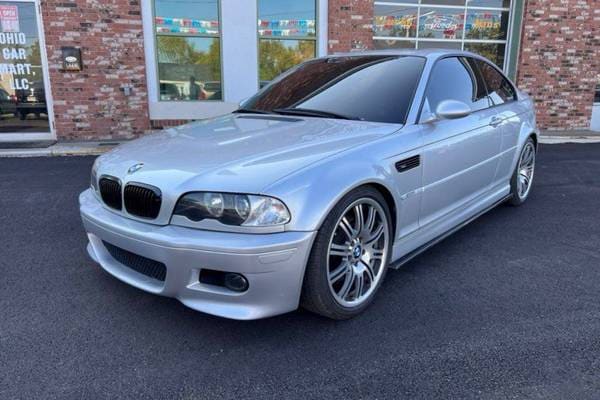
Located in Elyria, OH / 100 miles away from Columbus, OH
2006 BMW M3 BASE VIN: WBSBL93466PN64540 Body: 2 DOOR COUPE Engine: 3L NA I6 double overhead cam (DOHC) 24V Drivetrain: RWD Fuel: GASOLINE Alloy Wheels...
Accident Free Vehicle: No
Personal Use Only: Yes
History Provider: AutoCheck
Title Details: Clean Title
Salvage Vehicle: No
Frame Damage: No
Theft History: No
Lemon Status: No
Free History Report: No
Features and Specs:
17 Combined MPG (14 City/22 Highway)
Listing Information:
VIN: WBSBL93466PN64540
Stock: N64540A01
Certified Pre-Owned: No
Listed since: 02-08-2024

Located in Seattle, WA / 2,011 miles away from Columbus, OH
HERE IS YOUR CHANCE TO OWN A AFFORDABLE M-3 THIS ONE IS LOADED IT HAS A POWER HARDTOP HEATED LEATHER CD STEREO NAVI PW PL PS PDB PREMIUM WHEELS NICE C...
Accident Free Vehicle: Yes
Personal Use Only: No
History Provider: AutoCheck
Title Details: Clean Title
Salvage Vehicle: No
Frame Damage: No
Theft History: No
Lemon Status: No
Free History Report: No
Features and Specs:
16 Combined MPG (13 City/19 Highway)
Listing Information:
VIN: WBSWL93538PL89032
Stock: 34546
Certified Pre-Owned: No
Listed since: 01-28-2024
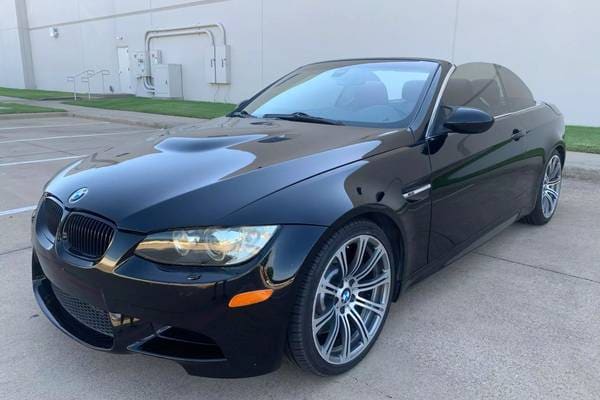
Located in Arlington, TX / 937 miles away from Columbus, OH
Financing Available!!! - 5.75-9.75% APR W.A.C. - TRADES WELCOME!!! Visit us at www.preciseautotexas.com Vehicle Shown by appointment only....... Very ...
Accident Free Vehicle: No
Personal Use Only: Yes
History Provider: AutoCheck
Title Details: Title issue reported
Salvage Vehicle: No
Frame Damage: Yes
Theft History: No
Lemon Status: No
Free History Report: No
Features and Specs:
16 Combined MPG (13 City/19 Highway)
Listing Information:
VIN: WBSWL93508P330911
Stock: S-330911
Certified Pre-Owned: No
Listed since: 10-04-2023
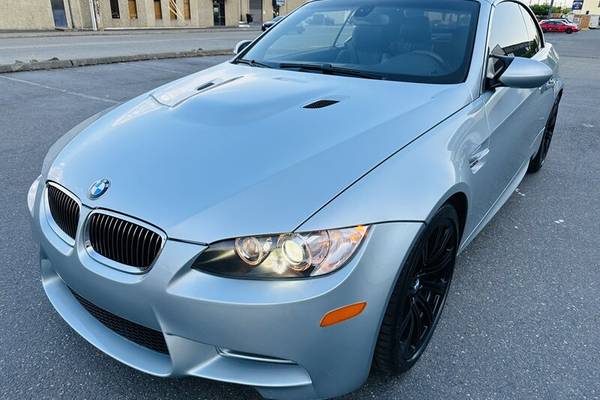
Located in Kent, WA / 2,007 miles away from Columbus, OH
Rebuilt Title, Well Maintained, 31 Service Records on Carfax, New Clutch just done
Accident Free Vehicle: No
Personal Use Only: Yes
History Provider: AutoCheck
Title Details: Title issue reported
Salvage Vehicle: No
Frame Damage: No
Theft History: No
Lemon Status: No
Free History Report: No
Features and Specs:
16 Combined MPG (13 City/19 Highway)
Listing Information:
VIN: WBSWL93568P330203
Stock: 2828
Certified Pre-Owned: No
Listed since: 03-08-2023