Used 2008 Ford Escape for Sale Near Me
Describe what you’re looking for
BETA
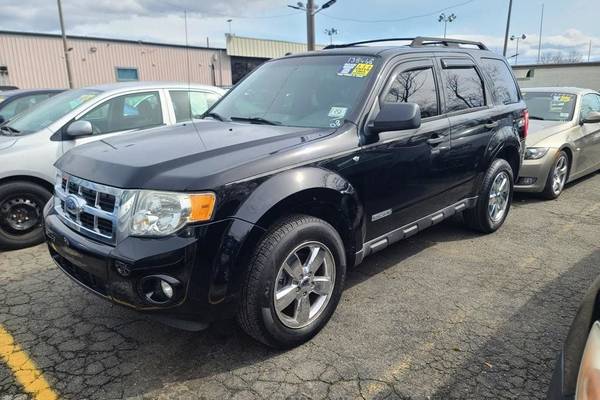
Located in Woodbridge, VA / 314 miles away from Columbus, OH
KEY FEATURES AND OPTIONS Comes equipped with: Air Conditioning, MP3. This Ford Escape also includes Power Driver's Seat, Climate Control, Privacy Glas...
Accident Free Vehicle: No
Personal Use Only: Yes
History Provider: AutoCheck
Title Details: Clean Title
Salvage Vehicle: No
Frame Damage: No
Theft History: No
Lemon Status: No
Free History Report: No
Features and Specs:
20 Combined MPG (18 City/24 Highway)
Listing Information:
VIN: 1FMCU03168KE78666
Stock: 138468
Certified Pre-Owned: No
Listed since: 03-11-2024

Located in Colorado Springs, CO / 1,166 miles away from Columbus, OH
2.3L Dohc Sefi 16-Valve I4 Duratec Engine Solid Paint THIS VEHICLE IS GOING TO WHOLESALE
Accident Free Vehicle: Yes
Personal Use Only: No
History Provider: AutoCheck
Title Details: Clean Title
Salvage Vehicle: No
Frame Damage: No
Theft History: No
Lemon Status: No
Free History Report: No
Features and Specs:
22 Combined MPG (20 City/26 Highway)
Listing Information:
VIN: 1FMCU03Z48KA91572
Stock: 8KA91572
Certified Pre-Owned: No
Listed since: 03-21-2024
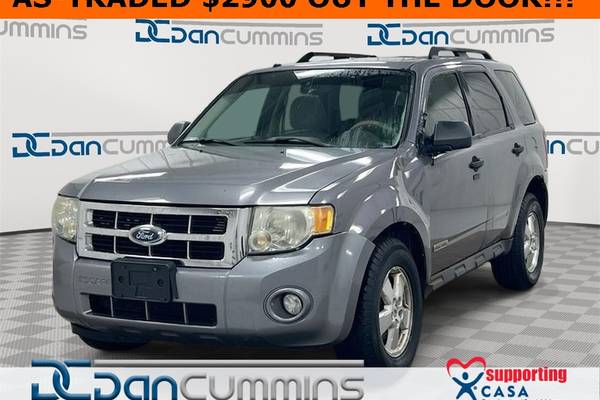
Located in Paris, KY / 148 miles away from Columbus, OH
.THIS IS A FRESH TRADE THAT HAS NOT AND WILL NOT BE SERVICED. SOLD COMPLETELY AS IS AS WAS TRADED. SOLD WITH ABSOLUTELY NO GUARANTEES AT ALL. THIS IS ...
Accident Free Vehicle: No
Personal Use Only: No
History Provider: AutoCheck
Title Details: Title issue reported
Salvage Vehicle: No
Frame Damage: No
Theft History: No
Lemon Status: No
Free History Report: No
Features and Specs:
22 Combined MPG (20 City/26 Highway)
Listing Information:
VIN: 1FMCU03Z28KA86614
Stock: 59877A
Certified Pre-Owned: No
Listed since: 04-16-2024
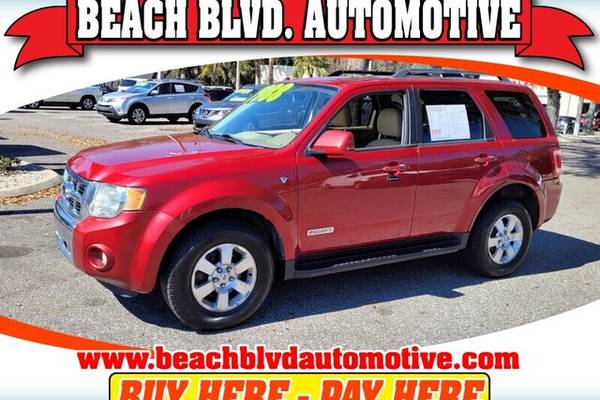
Located in Jacksonville, FL / 678 miles away from Columbus, OH
1-OWNER 94,808 MILES LEATHER V6 AT A/C BUY HERE PAY HERE FINANCING AVAILABLE ON OVER 250 VEHICLES! KING OF DEALERS! MILITARY DISCOUNT! HUGE SAVINGS!! ...
Accident Free Vehicle: No
Personal Use Only: Yes
History Provider: AutoCheck
Title Details: Clean Title
Salvage Vehicle: No
Frame Damage: No
Theft History: No
Lemon Status: No
Free History Report: No
Features and Specs:
20 Combined MPG (18 City/24 Highway)
Listing Information:
VIN: 1FMCU04178KB99449
Stock: VIN9449
Certified Pre-Owned: No
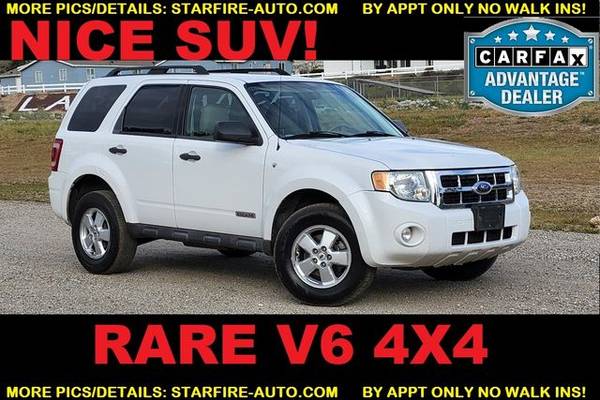
Located in Santa Clarita, CA / 1,982 miles away from Columbus, OH
PLEASE READ THIS SECTION! - NICELY OPTIONED W/ LOTS OF SAFETY FEATURES - ABS BRAKES AND SIDE AIRBAGS - ALLOY WHEELS - RARE 4WD - PEPPY V6 ENGINE...
Accident Free Vehicle: Yes
Personal Use Only: No
History Provider: AutoCheck
Title Details: Clean Title
Salvage Vehicle: No
Frame Damage: No
Theft History: No
Lemon Status: No
Free History Report: No
Features and Specs:
19 Combined MPG (17 City/22 Highway)
Listing Information:
VIN: 1FMCU93138KB61447
Stock: DF392752F
Certified Pre-Owned: No
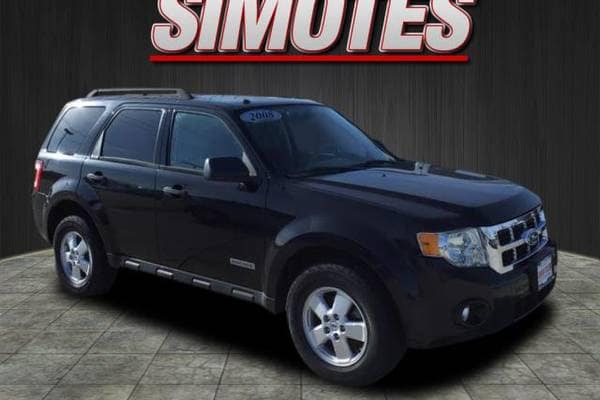
Located in Minooka, IL / 300 miles away from Columbus, OH
**Please call or text to confirm availability or if you have any questions! - 815 353 4890** **Honest Pricing** We have NO HIDDEN FEES! Many dealers a...
Accident Free Vehicle: Yes
Personal Use Only: Yes
History Provider: AutoCheck
Title Details: Clean Title
Salvage Vehicle: No
Frame Damage: No
Theft History: No
Lemon Status: No
Free History Report: No
Features and Specs:
22 Combined MPG (20 City/26 Highway)
Listing Information:
VIN: 1FMCU03Z08KE60590
Stock: E60590
Certified Pre-Owned: No
Listed since: 03-19-2024

Located in Hardeeville, SC / 544 miles away from Columbus, OH
The following items have been reconditioned on this vehicle: all new tires! 2.3L Dohc Sefi 16-Valve I4 Duratec Engine 4-Speed Automatic Transmissio...
Accident Free Vehicle: Yes
Personal Use Only: No
History Provider: AutoCheck
Title Details: Clean Title
Salvage Vehicle: No
Frame Damage: No
Theft History: No
Lemon Status: No
Free History Report: No
Features and Specs:
22 Combined MPG (20 City/26 Highway)
Listing Information:
VIN: 1FMCU03Z48KC18711
Stock: 8KC18711
Certified Pre-Owned: No
Listed since: 03-16-2024

Located in Sapulpa, OK / 772 miles away from Columbus, OH
2008 Ford Escape XLT 3.0L V6 Automatic. Black over gray cloth interior. Power windows, locks, keyless entry with factory alarm, roof rack, alloy wheel...
Accident Free Vehicle: Yes
Personal Use Only: Yes
History Provider: AutoCheck
Title Details: Clean Title
Salvage Vehicle: No
Frame Damage: No
Theft History: No
Lemon Status: No
Free History Report: No
Features and Specs:
20 Combined MPG (18 City/24 Highway)
Listing Information:
VIN: 1FMCU03188KD08311
Stock: D08311
Certified Pre-Owned: No
Listed since: 08-22-2023

Located in Virginia Beach, VA / 425 miles away from Columbus, OH
Accident Free Vehicle: No
Personal Use Only: No
History Provider: AutoCheck
Title Details: Clean Title
Salvage Vehicle: No
Frame Damage: No
Theft History: No
Lemon Status: No
Free History Report: No
Features and Specs:
19 Combined MPG (17 City/22 Highway)
Listing Information:
VIN: 1FMCU93148KB00351
Stock: 1472
Certified Pre-Owned: No

Located in Arlington Heights, IL / 305 miles away from Columbus, OH
****AS IS****2009 Ford Escape XLS XLS Brilliant Silver Clearcoat MetallicAM/FM Single CD/MP3 Capable, Cargo Package, Front Bucket Seats, GVWR: 4,360 l...
Accident Free Vehicle: No
Personal Use Only: No
History Provider: AutoCheck
Title Details: Clean Title
Salvage Vehicle: No
Frame Damage: No
Theft History: No
Lemon Status: No
Free History Report: No
Features and Specs:
23 Combined MPG (20 City/28 Highway)
Listing Information:
VIN: 1FMCU02719KB69517
Stock: OL2663A
Certified Pre-Owned: No
Listed since: 03-30-2024

Located in New Haven, IN / 135 miles away from Columbus, OH
Proud to be Indiana's Dealer of the Year and winner of the Consumer Satisfaction award. 2009 Ford Escape XLT Oxford White Clearcoat (Fleet) FWD Durat...
Accident Free Vehicle: Yes
Personal Use Only: Yes
History Provider: AutoCheck
Title Details: Clean Title
Salvage Vehicle: No
Frame Damage: No
Theft History: No
Lemon Status: No
Free History Report: No
Features and Specs:
23 Combined MPG (20 City/28 Highway)
Listing Information:
VIN: 1FMCU03719KB93895
Stock: B20904A
Certified Pre-Owned: No
Listed since: 04-22-2024

Located in Tucson, AZ / 1,644 miles away from Columbus, OH
Every vehicle comes with a Warranty, Carfax, and a 2-year Maintenance Plan! We have Easy Financing available for all credit situations, including low-...
Accident Free Vehicle: Yes
Personal Use Only: Yes
History Provider: AutoCheck
Title Details: Clean Title
Salvage Vehicle: No
Frame Damage: No
Theft History: No
Lemon Status: No
Free History Report: No
Features and Specs:
23 Combined MPG (20 City/28 Highway)
Listing Information:
VIN: 1FMCU03739KC31045
Stock: 09FEXLT045
Certified Pre-Owned: No
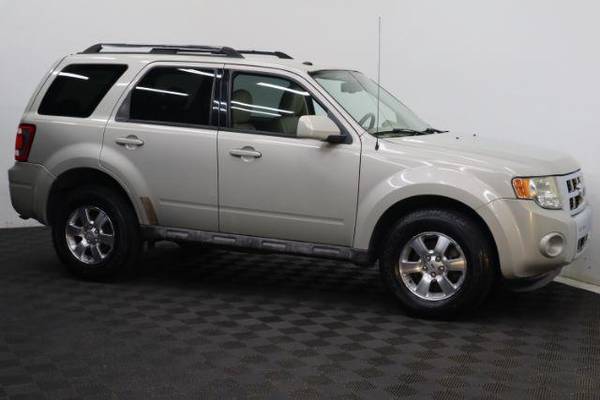
Located in Chantilly, VA / 295 miles away from Columbus, OH
We at Precise Automotive Group will now provide customers with FREE and FAST shipping on all vehicles to your front door within 300 miles, if your fur...
Accident Free Vehicle: Yes
Personal Use Only: Yes
History Provider: AutoCheck
Title Details: Clean Title
Salvage Vehicle: No
Frame Damage: No
Theft History: No
Lemon Status: No
Free History Report: No
Features and Specs:
21 Combined MPG (18 City/26 Highway)
Listing Information:
VIN: 1FMCU04GX9KB13217
Stock: P3217
Certified Pre-Owned: No
Listed since: 06-13-2023

Located in Saint Louis, MO / 413 miles away from Columbus, OH
One Owner, Accident Free, Sun & Sound Package, Rear Cargo Convenience Group, Power Sunroof, Front & Rear Floor Mats, 6-Way Driver Seat, Privacy Glass,...
Accident Free Vehicle: Yes
Personal Use Only: Yes
History Provider: AutoCheck
Title Details: Clean Title
Salvage Vehicle: No
Frame Damage: No
Theft History: No
Lemon Status: No
Free History Report: No
Features and Specs:
20 Combined MPG (18 City/23 Highway)
Listing Information:
VIN: 1FMYU031X7KA53102
Stock: 4050901
Certified Pre-Owned: No
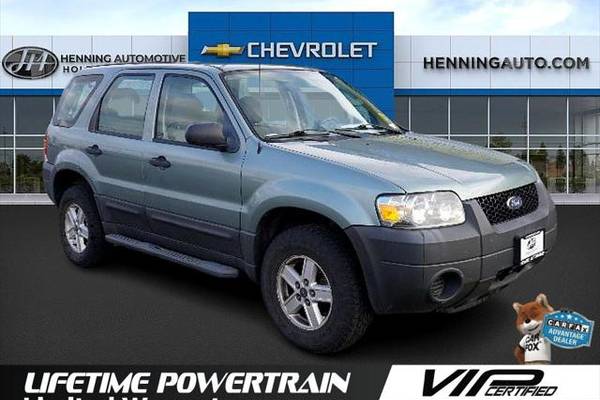
Located in Baker City, OR / 1,800 miles away from Columbus, OH
Vehicle Details Introducing the exceptional 2007 Ford Escape XLS now available at our reputable dealership. This pre-owned gem boasts a remarkable 133...
Accident Free Vehicle: Yes
Personal Use Only: Yes
History Provider: AutoCheck
Title Details: Clean Title
Salvage Vehicle: No
Frame Damage: No
Theft History: No
Lemon Status: No
Free History Report: No
Features and Specs:
20 Combined MPG (18 City/23 Highway)
Listing Information:
VIN: 1FMCU92Z47KA92970
Stock: A92970TE
Certified Pre-Owned: No
Listed since: 02-14-2024
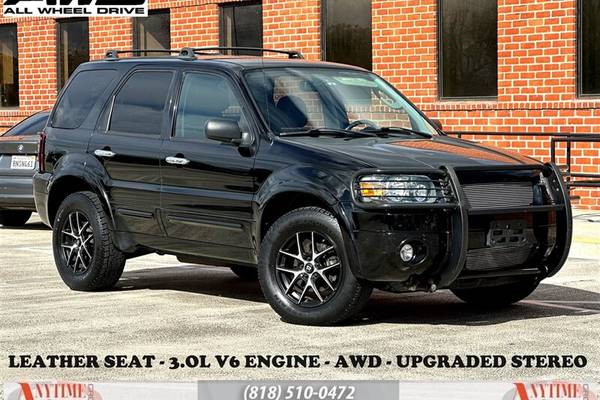
Located in Sherman Oaks, CA / 1,989 miles away from Columbus, OH
WE HAVE NO DEALER FEES EVER ON ANY ACCESSORIES** NO PAINT PROTECTION FEE** NO WINDOW TINTING FEE** NO THEFT PROTECTION FEE** 2007 Black Clearcoat For...
Accident Free Vehicle: Yes
Personal Use Only: No
History Provider: AutoCheck
Title Details: Clean Title
Salvage Vehicle: No
Frame Damage: No
Theft History: No
Lemon Status: No
Free History Report: No
Features and Specs:
19 Combined MPG (17 City/21 Highway)
Listing Information:
VIN: 1FMYU94127KA34126
Stock: 15820
Certified Pre-Owned: No
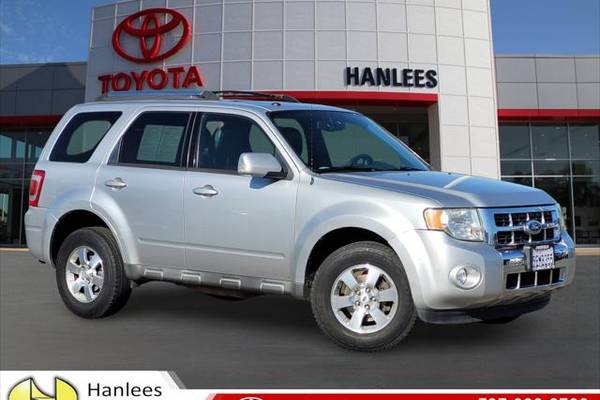
Located in Fairfield, CA / 2,088 miles away from Columbus, OH
We offer excellent financing terms for all credit types. For more info call us today at (707) 920-2700. Thank you for viewing our 2010 Ford Escape Lim...
Accident Free Vehicle: Yes
Personal Use Only: No
History Provider: AutoCheck
Title Details: Clean Title
Salvage Vehicle: No
Frame Damage: No
Theft History: No
Lemon Status: No
Free History Report: No
Features and Specs:
Listing Information:
VIN: 1FMCU0EG5AKB77958
Stock: YT4680
Certified Pre-Owned: No
Listed since: 02-11-2024

Located in Edmonds, WA / 2,013 miles away from Columbus, OH
2009 FORD ESCAPE XLS ** GAS SAVER - 5-SPEED MANUAL - SUV ** 102K MILES VIN: 1FMCU02739KB80227 1 F M C U 0 2 7 3 9 K B 8 0 2 2 7 4 DOOR WAGON/SPORT...
Accident Free Vehicle: No
Personal Use Only: Yes
History Provider: AutoCheck
Title Details: Clean Title
Salvage Vehicle: No
Frame Damage: No
Theft History: No
Lemon Status: No
Free History Report: No
Features and Specs:
24 Combined MPG (22 City/28 Highway)
Listing Information:
VIN: 1FMCU02739KB80227
Stock: 10252
Certified Pre-Owned: No
Listed since: 03-14-2024

Located in North Richland Hills, TX / 939 miles away from Columbus, OH
AutoCheck Vehicle History Summary Unavailable.
Features and Specs:
21 Combined MPG (20 City/24 Highway)
Listing Information:
VIN: 1FMYU02Z27KB27586
Stock: 7586A
Certified Pre-Owned: No

Located in Zion, IL / 307 miles away from Columbus, OH
2008 FORD ESCAPE WITH125,213 MILES CLEAN AND CLEAR TITLE LOADED, CD RADIO AM FM, CRUISE CONTROL, POWER WINDOWS, POWER DOOR LOCKS, MUCH MORE.......... ...
Accident Free Vehicle: Yes
Personal Use Only: No
History Provider: AutoCheck
Title Details: Clean Title
Salvage Vehicle: No
Frame Damage: No
Theft History: No
Lemon Status: No
Free History Report: No
Features and Specs:
22 Combined MPG (20 City/26 Highway)
Listing Information:
VIN: 1FMCU03Z98KE48924
Stock: 2037
Certified Pre-Owned: No
Listed since: 03-30-2023

Located in Orlando, FL / 805 miles away from Columbus, OH
Call us at 4**-2**-8*** today to schedule your test drive.
Accident Free Vehicle: Yes
Personal Use Only: Yes
History Provider: AutoCheck
Title Details: Clean Title
Salvage Vehicle: No
Frame Damage: No
Theft History: No
Lemon Status: No
Free History Report: No
Features and Specs:
20 Combined MPG (18 City/24 Highway)
Listing Information:
VIN: 1FMCU031X8KB52725
Stock: 10289
Certified Pre-Owned: No
Listed since: 08-31-2023

